Alopecia Areata: Symptoms, Causes, Treatment & Regrowth
- December 11, 2025
- Dr. Vikram Jayaprakash
Last updated on December 18, 2025
Table of Contents
ToggleUnderstanding Alopecia Areata and Its Impact on Hair Health
Alopecia areata is a non-scarring autoimmune condition that disrupts normal hair growth and often appears without warning. It can develop in men and women of any age, usually presenting as small, round patches of sudden hair loss on the scalp or other hair-bearing areas. While the condition is not harmful to overall health, its unpredictable nature can make it difficult to understand without proper guidance.
Many people first notice alopecia areata when a small patch becomes visible during daily grooming or styling. As several conditions can look similar in the early stages, recognising the key features and seeking a professional diagnosis is important. Understanding what alopecia areata is, how it behaves and what support is available helps people make informed decisions about their care.
How Alopecia Areata Presents
Alopecia areata has several recognisable patterns. Some people experience one small patch, while others may notice multiple areas of thinning across the scalp or in other hair-bearing regions. The skin usually appears smooth and healthy, which helps differentiate it from other causes of patchy or sudden hair loss.
Common Symptoms
These features are typically seen when alopecia areata first appears:
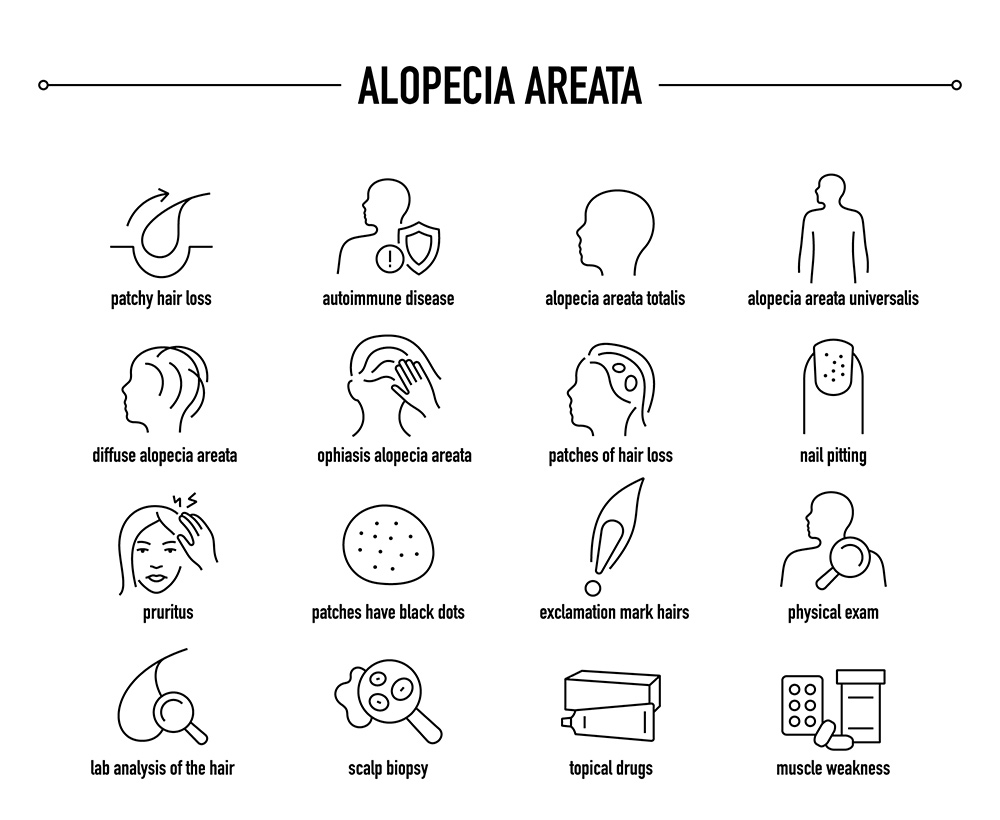
- Smooth, round or oval patches of hair loss on the scalp
- Sudden thinning or shedding in a specific area
- Short, broken hairs around the edges of a patch
- Mild tingling or sensitivity where the hair has been lost
Less Common Patterns
Alopecia areata can occasionally follow wider or more unusual patterns. While these variations are less frequent, they still fit within the same condition:
- Thinning across larger areas of the scalp
- Patchy regrowth with fine, pale hairs
- Loss in the eyebrows, beard or other body areas
What Causes Alopecia Areata?
Alopecia areata develops when the immune system becomes overactive and disrupts the normal function of the hair follicle. Several factors can influence how and when the condition appears, although the exact trigger is not always clear. Understanding these influences helps guide treatment planning and long term management.
- Genetic predisposition that increases the likelihood of autoimmune responses
- Changes in immune activity that affect how the follicles function
- Illnesses or infections that may coincide with the onset of shedding
- Periods of significant stress can contribute to flare-ups
- General health changes that influence hair growth patterns
- Situations where no identifiable trigger is present despite clear symptoms
How Alopecia Areata is Diagnosed
Diagnosis is based on clinical examination and a detailed review of the individual’s medical history. At Atlantis Medical, we assess the location and appearance of the patches, identify possible triggers and consider whether further tests are necessary. As several conditions can look similar, a professional assessment is important for selecting the most appropriate treatment approach.
Treatment Options at Atlantis Medical
There is no single treatment pathway suitable for everyone with alopecia areata. Plans are tailored according to the extent of hair loss, how long symptoms have been present and whether the condition is progressing.
Medical Management
Medical therapies can help support regrowth by reducing inflammation, stabilising shedding or assisting the follicles through the growth cycle. The choice of treatment depends on the individual’s presentation and is discussed carefully during the consultation, including how each option works and what outcomes are reasonable to expect.
Supportive Scalp Therapies
Supportive treatments aim to improve scalp condition and create an environment that encourages healthy growth. These therapies do not replace medical management but can complement it where appropriate.
Lifestyle and Scalp Care Measures
Certain daily practices can assist with managing flare-ups and maintaining overall scalp health:
- Gentle cleansing and minimal heat styling
- A balanced diet with adequate nutrients to support hair health
- Stress reduction strategies tailored to the individual
- Avoiding harsh chemical treatments during active shedding

Can Hair Grow Back After Alopecia Areata
Regrowth is common, although the timeline varies widely. Some people see early signs within months, while others experience more gradual improvement. New hairs may initially appear fine or pale before thickening over time. As alopecia areata is unpredictable, regrowth can occur even after extended periods of thinning.
When to Seek Professional Help
Professional review is recommended when hair loss appears suddenly, spreads rapidly or does not follow expected growth patterns. Early assessment helps rule out other causes of patchy hair loss and allows for timely treatment planning.
Signs that you should book an assessment include:
- Patches of hair loss continue to appear
- The affected areas increase in size
- New symptoms develop, such as itching or visible scalp changes
- Hair loss occurs outside the scalp, such as the brows or beard
Personalised Hair Loss Care at Atlantis Medical
At Atlantis Medical, we provide detailed assessments for all forms of hair loss, including alopecia areata. Every individual is reviewed by a medical professional who takes the time to understand the pattern, duration and triggers of their condition. Treatment recommendations are personalised and designed to support healthy regrowth while maintaining scalp wellbeing.
Final Thoughts
Alopecia areata can progress in a number of different ways, but early review offers clarity and helps shape a treatment plan that reflects the individual’s needs. A clear diagnosis provides direction, removes uncertainty and allows each person to understand how their hair is likely to behave over time.
By learning what alopecia areata is and how it affects the follicles, individuals are better equipped to recognise changes and seek medical guidance when required. With the right support, it becomes easier to explore appropriate treatments, protect scalp health and navigate periods of shedding or regrowth with confidence in the plan ahead.
How to Book a Consultation
Booking your consultation is simple.
- Call us on (03) 9070 5234
- Contact us via our website
- Email us at enquiries@atlantismedical.com.au
- Or visit us at Level 2, 148 Glenferrie Road, Malvern, Vic 3144
Opening Hours
Mon – Fri: 8:30am – 5:00pm
Sat – Sun: Closed
Frequently Asked Questions
How is alopecia areata diagnosed?
Alopecia areata is diagnosed through a clinical examination that looks closely at the pattern, appearance and behaviour of the hair loss. Additional tests may be recommended if the presentation overlaps with other scalp conditions.
Can alopecia areata grow back?
Yes, many people experience regrowth, although the timeline and thickness of the new hairs can vary. Regrowth may begin as fine, pale strands before gradually strengthening.
What triggers alopecia areata flare-ups?
Flare-ups can be influenced by factors such as illness, stress or changes in general health, although not everyone can identify a specific trigger. Understanding these patterns helps guide ongoing management.
Is alopecia areata permanent?
Alopecia areata is usually non-scarring, which means the follicles remain capable of producing hair. The course of the condition is unpredictable, but lasting regrowth is possible for many individuals.
What treatments help alopecia areata regrowth?
Treatment focuses on supporting the follicles, reducing inflammation and maintaining scalp health. The approach is tailored to the individual’s pattern of loss and how the condition is progressing.
Does stress cause alopecia areata?
Stress does not directly cause alopecia areata, but it may contribute to flare-ups in people who are already predisposed to the condition. Managing stress can support wider treatment goals and overall scalp wellbeing.
Any surgical or invasive procedure carries risks. Before proceeding, you should seek a second opinion from an appropriately qualified health practitioner.

About the Author
Dr. Vikram Jayaprakash
Dr. Vikram Jayaprakash is the Clinical Director of Atlantis Medical, one of Melbourne’s premier hair restoration clinics. Trained at the University of Southampton Medical School, he spent over a decade working alongside Dr. Russell Knudsen at the renowned Knudsen Clinic before establishing his own practice. As one of only three doctors in Australia to hold Board Certification from The American Board of Hair Restoration Surgery and one of two to attain Fellowship status with the International Society of Hair Restoration Surgery, Dr. Jayaprakash brings unparalleled expertise to every procedure.
Categories
Categories
- Female Hair Loss (7)
- General (3)
- Hair Health (13)
- Hair Loss (19)
- Hair Loss Treatment (11)
- Hair Transplant (20)
- Male Hair Loss (9)
- Non Surgical Treatments (1)
- Scalp Health (7)