Stages of Hair Loss: What to Expect and How to Manage It
Last updated on August 12, 2025





Last updated on August 12, 2025
Table of Contents
ToggleHair loss is a common experience for many men, often beginning gradually and progressing over time. While every individual’s journey is different, male pattern baldness tends to follow a recognisable path. By understanding the typical stages of hair loss, it becomes easier to identify changes early and take steps to manage them effectively.
This latest blog breaks down what to expect at each stage and how to respond when signs of thinning or recession begin to appear. Whether you’re just starting to notice changes or already dealing with more advanced hair loss, knowing what stage you’re in can help you make informed decisions about what to do next.
The Norwood Scale is the standard tool for classifying male pattern baldness, showing how hair loss typically progresses over time. It begins with minimal changes at the hairline and gradually advances to more extensive balding across the scalp. Understanding where you sit on the scale can help determine the most appropriate management options.
Stage 1: No significant hair loss or recession. The hairline appears full, with no visible thinning.
Stage 2: Slight recession at the temples, often forming a subtle “M” shape. Hair density is still good overall.
Stage 3: Noticeable deepening of the recession at the temples. This is considered the first stage of clinically significant hair loss.
Stage 4: Continued frontal recession combined with visible thinning at the crown. A strip of hair still separates these two areas.
Stage 5: The bridge of hair between the crown and front begins to thin. Balding zones start to merge.
Stage 6: Advanced hair loss across the top of the scalp. The front and crown are fully connected by a single balding area.
Stage 7: Only a band of hair remains around the sides and back of the scalp, often referred to as a horseshoe pattern.
The process of hair loss often moves gradually through these stages. Here’s what you might notice over time:
Early Stages (Norwood 1–2):
At this point, many men aren’t yet aware they’re losing hair, or may assume it’s temporary.
Mid Stages (Norwood 3–4):
Advanced Stages (Norwood 5–7):
It’s worth noting that not everyone progresses through all stages — the rate and extent of hair loss vary greatly depending on genetic and lifestyle factors.
While not all hair loss is preventable, it can often be managed or slowed with the right approach. Timing matters — the earlier hair loss is addressed, the more options are typically available.
The best course of action often involves a combination of treatments adapted to the individual’s hair loss stage, scalp condition and personal preferences.
If you’ve started noticing changes in your hairline, crown, or shedding pattern (particularly if hair loss runs in your family), it may be time to consult a professional. At Atlantis Medical, we assess each patient’s stage of hair loss using detailed scalp analysis and provide tailored recommendations based on your specific pattern and goals. The earlier you act, the more treatment options are typically available.
Hair loss can be a gradual process, but it doesn’t have to be left unmanaged. Understanding the stages of hair loss is the first step in making informed decisions about your scalp health and long-term hair preservation. Whether you’re noticing early signs or exploring options later in the process, guidance is available and taking action at the right time can make a meaningful difference.
If you’re concerned about ongoing hair loss, a professional assessment can help clarify your stage and outline suitable treatment pathways tailored to your needs. To learn more or arrange a consultation, get in touch with the team at Atlantis Medical — we’re here to support you at every stage.
Booking your consultation is simple.
Opening Hours
Mon – Fri: 8:30am – 5:00pm
Sat – Sun: Closed
The Norwood scale outlines seven stages of hair loss, ranging from minimal recession to extensive balding across the scalp. Most men progress through these stages gradually.
Your stage depends on the pattern and extent of thinning or recession. A professional assessment can determine your position on the Norwood scale and guide appropriate treatment options
In early stages, hair loss may be managed or slowed using non-surgical therapies and lifestyle adjustments. Results vary based on genetics, scalp health and the underlying cause.
It’s best to seek treatment at the first sign of thinning or a receding hairline. Early intervention often offers more options and can help preserve existing hair.
Mild hair loss may be addressed with scalp care and non-invasive therapies, while moderate to advanced stages might require surgical options. The right approach depends on the stage, pattern and individual goals.
Any surgical or invasive procedure carries risks. Before proceeding, you should seek a second opinion from an appropriately qualified health practitioner.
Dr. Vikram Jayaprakash is the Clinical Director of Atlantis Medical, one of Melbourne’s premier hair restoration clinics. Trained at the University of Southampton Medical School, he spent over a decade working alongside Dr. Russell Knudsen at the renowned Knudsen Clinic before establishing his own practice. As one of only three doctors in Australia to hold Board Certification from The American Board of Hair Restoration Surgery and one of two to attain Fellowship status with the International Society of Hair Restoration Surgery, Dr. Jayaprakash brings unparalleled expertise to every procedure.
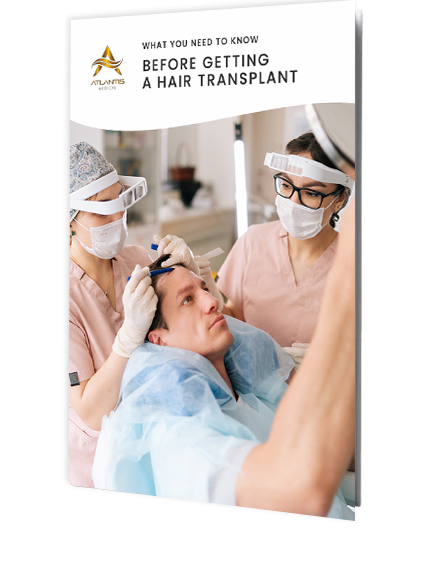
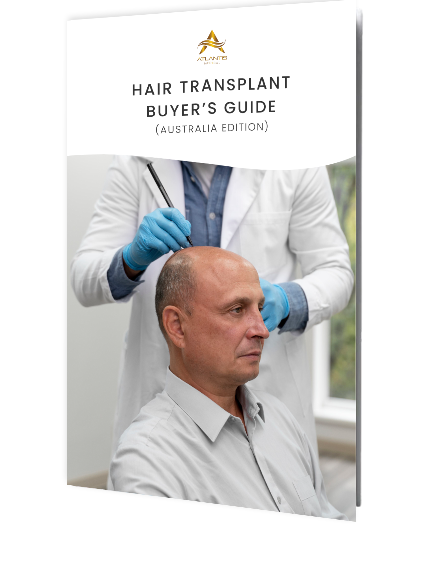
If you’re considering a hair transplant, this guide from Atlantis Medical, Melbourne’s leading hair transplant clinic, is designed to provide you with everything you need to know.