Does Mounjaro Cause Hair Loss? What You Need to Know
Last updated on September 28, 2026
Medically reviewed by Dr Vikram Jayaprakash | BM, FISHRS, ABHRS, FRACGP | Last updated on August 2026
Hair shedding can occur during Mounjaro treatment, although the medication may not be the only factor involved. Rapid weight loss, reduced appetite, and changes in calorie, protein or micronutrient intake can all disrupt the normal hair growth cycle.
Hair loss rarely has a single cause, particularly when it develops alongside medication use and significant weight change. Looking at when the shedding began, how it is progressing and whether other factors are involved can help distinguish temporary shedding from an established hair-loss condition.
What Is Mounjaro and How Does It Work?
Mounjaro is a prescription medication used in the management of type 2 diabetes and, in some cases, weight management under medical supervision. It works by influencing hormones involved in appetite regulation and blood sugar control, which can lead to reduced calorie intake and weight loss over time.
As Mounjaro can affect appetite and eating patterns, the body may undergo significant metabolic and hormonal changes. These changes are important when considering side effects that are not directly related to the medication itself, including concerns around hair health.
Does Mounjaro Cause Hair Loss?
Hair loss is recognised as a possible side effect of Mounjaro, but it is not always clear whether the medication itself is responsible. In some cases, increased shedding may instead be linked to rapid weight loss and the physical changes occurring during treatment.
In many cases, hair changes reported during Mounjaro use may be indirectly related to weight loss rather than the medication itself. This distinction matters, as it helps explain why not everyone experiences the same effects and why hair shedding can occur even when the medication is working as intended.
Do Other Medications Used for Weight Loss Cause Hair Loss?
Hair shedding has also been reported with other medicines used for diabetes or weight management. Ozempic and Wegovy both contain semaglutide, while Saxenda contains liraglutide, although they do not all have the same approved use in Australia. Changes in weight, appetite and nutritional intake may also affect the hair cycle during treatment.
Ozempic
Ozempic is prescribed in Australia for managing type 2 diabetes, although some people lose weight while using it. Hair shedding has been reported, but it can be difficult to separate the effects of treatment from rapid weight loss, reduced nutritional intake or an underlying hair-loss condition.
Wegovy
Wegovy contains the same active ingredient as Ozempic but is used for chronic weight management. Hair shedding has been reported during treatment, particularly among people who lost a greater amount of weight, suggesting that the extent of the weight change may be relevant.
Saxeda
Saxenda contains liraglutide and is also used for chronic weight management. Although the evidence linking Saxenda itself to hair loss is less clear, rapid weight loss and changes in dietary intake during treatment can still contribute to temporary shedding.
Why Some People Notice Hair Shedding While Using Mounjaro
Hair follicles are sensitive to changes in the body, particularly during periods of physical stress or rapid metabolic adjustment. When weight loss occurs quickly, whether through medication, dietary changes or illness, the body may temporarily prioritise essential functions over hair growth.
These changes can disrupt the normal hair growth cycle, leading to increased shedding several months after the initial change begins. Common contributing factors to hair shedding while using Mounjaro can include:
- Rapid weight loss: Sudden changes can place physiological stress on the body.
- Reduced calorie intake: Lower energy availability can affect the hair growth cycle.
- Nutritional changes: Protein and micronutrient intake may drop unintentionally.
- Hormonal shifts: Weight loss can alter hormone levels involved in hair cycling.
Is It Temporary Hair Shedding or True Hair Loss?
One of the most important distinctions to make is whether the hair changes represent temporary shedding or a form of ongoing hair loss. Temporary shedding, often referred to as telogen effluvium, occurs when a higher number of hairs enter the resting phase of the growth cycle at the same time.
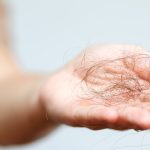
This process can result in noticeable thinning or increased hair fall, particularly during washing or brushing, but it does not usually involve permanent damage to the hair follicles. In contrast, pattern hair loss tends to progress gradually and follows predictable distribution patterns that are not directly triggered by short-term physiological stress.
Who May Be More Likely to Notice Hair Changes During Weight Loss?
Not everyone using Mounjaro will experience hair shedding. Certain factors may increase the likelihood of noticing changes, particularly in individuals with underlying hair-loss concerns. In these situations, weight loss can act as a trigger rather than the root cause of hair thinning.
People who may be more susceptible include those who:
- Have a personal or family history of pattern hair loss
- Have existing nutritional deficiencies
- Experience high stress levels
- Undergo significant or rapid weight changes

Hair shedding can be an unexpected concern for some people using Mounjaro as part of a medically supervised weight loss plan.
What Should You Do If You Notice Hair Loss While Using Mounjaro?
If you begin noticing increased hair shedding, it is important not to stop or adjust any prescribed medication without medical advice. Hair changes should be discussed with the prescribing doctor, as well as with a qualified medical professional experienced in assessing hair and scalp health.
A proper assessment may involve reviewing weight changes, nutritional intake, medical history, stress levels and any existing hair-loss patterns. Addressing underlying contributors often plays a greater role in supporting hair recovery than focusing solely on the medication itself.
Hair Shedding During Mounjaro Treatment May Be Temporary
Hair shedding can occur during Mounjaro treatment, but the medication may not be the only factor involved. Rapid weight loss, reduced nutritional intake, and physical changes in the body can trigger temporary shedding, while genetic or hormonal hair loss may become more noticeable during the same period.
If shedding persists, worsens or develops in a defined pattern, contact the team at Atlantis Medical to arrange a professional hair and scalp assessment. This can help distinguish temporary shedding from an established hair-loss condition and identify the factors contributing to the change.
Book a Hair and Scalp Assessment at Atlantis Medical
Booking your consultation is simple.
- Call us on (03) 9070 5234
- Contact us via our website
- Email us at enquiries@atlantismedical.com.au
- Or visit us at Level 2, 148 Glenferrie Road, Malvern, VIC 3144
Opening hours
Monday to Friday: 8:30am–5:00pm
Saturday and Sunday: Closed
Mounjaro and Hair Loss FAQs
Does hair shedding during Mounjaro treatment cause permanent hair loss?
Hair shedding experienced during Mounjaro treatment may be temporary, particularly when it develops alongside rapid or significant weight loss. Permanent or progressively worsening hair loss may indicate an underlying genetic, hormonal or medical factor that requires further assessment.
Is hair loss listed as a side effect of Mounjaro?
Yes. Hair loss is included in the current Australian Product Information for Mounjaro. However, this does not establish whether the medication directly affects the follicles or whether shedding is associated with weight loss and related physiological changes.
When can hair shedding begin after starting Mounjaro?
Hair shedding may not begin immediately after starting Mounjaro or losing weight. Changes to the hair growth cycle can take several weeks or months to become visible, making the original trigger less obvious.
How long can hair shedding last while using Mounjaro?
Weight-loss-related shedding can continue for several months before gradually settling. The timeframe varies according to the trigger, the rate of weight loss, nutritional intake and whether another hair-loss condition is present.
What does temporary hair shedding during Mounjaro treatment look like?
Temporary shedding usually affects the scalp more generally, with increased hair fall noticed during washing, brushing or styling. Hair loss that follows a defined pattern, creates distinct patches or continues to progress may have another underlying cause.
Can rapid weight loss trigger hair shedding?
Yes. Rapid or significant weight loss can place physiological stress on the body and cause more hairs to enter the resting phase of the growth cycle. The resulting shedding may appear several months after the weight loss begins.
Can reduced food intake contribute to hair loss while using Mounjaro?
Reduced appetite may make it more difficult to consume sufficient calories, protein and micronutrients during treatment. Inadequate nutrient intake can affect the hair growth cycle, although supplements should not be started without first determining whether a deficiency is present.
Will hair grow back after Mounjaro-related shedding?
Hair may gradually regrow when temporary shedding is related to weight loss and the underlying trigger has stabilised. Recovery can take time because new hairs must progress through the normal growth cycle before changes in density become noticeable.
Should I stop taking Mounjaro if I notice hair loss?
Do not stop taking Mounjaro or change your prescribed dose without medical advice. Discuss shedding with your prescribing doctor, who can review the medication, the rate of weight loss, nutritional intake, and any other symptoms.
When should I seek medical advice about hair shedding?
Seek medical advice if shedding is persistent or worsening, creating visible patches, or accompanied by scalp irritation or other health changes. A professional hair and scalp assessment can help distinguish temporary shedding from an established hair-loss condition.
Any surgical or invasive procedure carries risks. Before proceeding, you should seek a second opinion from an appropriately qualified health practitioner.