What Is a FUE Hair Transplant? Costs, Results and Recovery
Last updated on April 13, 2026
What to Know Before Considering a FUE Hair Transplant
Hair loss often develops gradually, which leads many individuals to explore longer-term solutions. Among the available options, FUE hair transplant procedures are frequently discussed, particularly by those looking to redistribute existing hair rather than rely on temporary treatments.
So, what is a FUE hair transplant and how does it work? In this guide, we explore FUE hair transplant costs, results, recovery timelines and suitability, helping you understand what to expect and whether this option may be appropriate based on your individual circumstances.
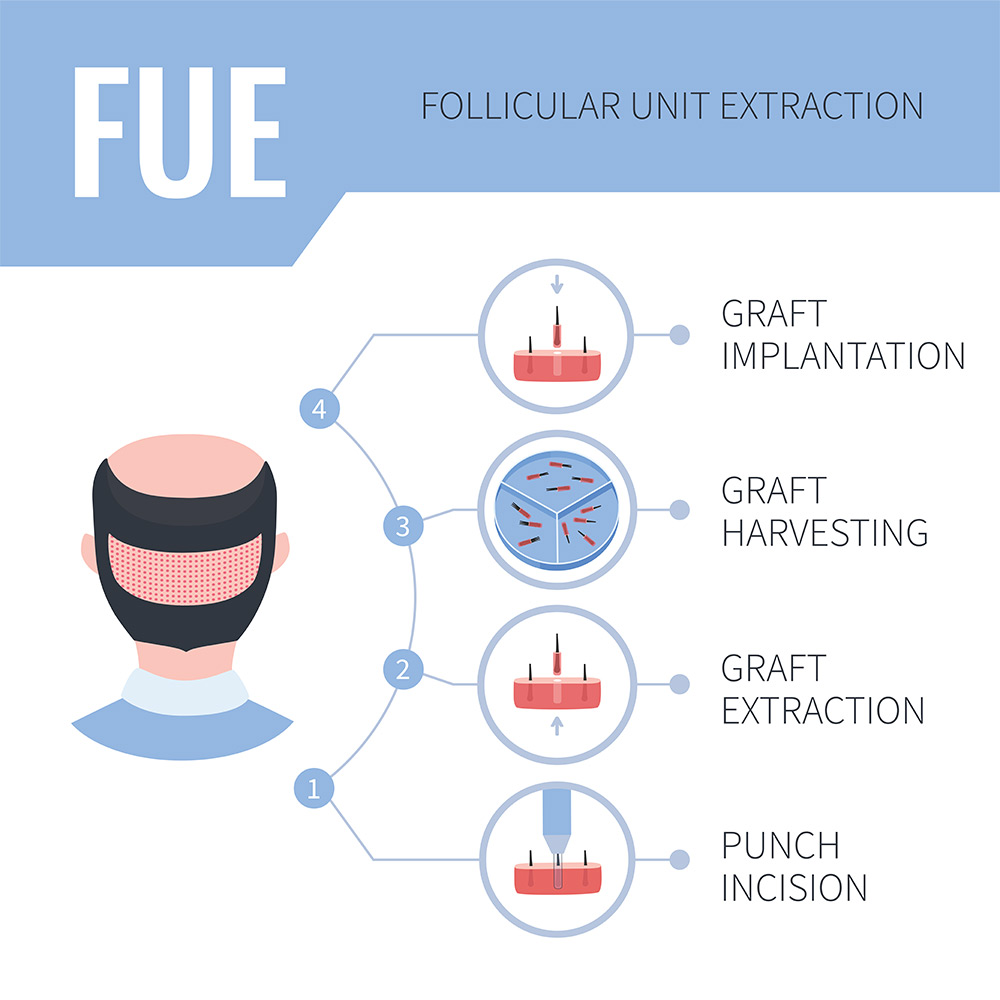
FUE stands for Follicular Unit Excision, a hair transplant technique that involves extracting individual hair follicles from a donor area, typically the back or sides of the scalp and placing them into areas affected by thinning or hair loss. As follicles are removed individually rather than as a strip, a FUE hair transplant is often associated with minimal linear scarring and a gradual recovery.
This approach is commonly considered for male or female pattern hair loss, thinning hairlines, or reduced density, with outcomes varying depending on donor hair quality, extent of hair loss and long-term hair loss progression.
FUE hair transplant cost can vary significantly depending on several factors. Unlike fixed-price treatments, hair transplant procedures are typically tailored to the individual’s level of hair loss, donor hair availability and treatment goals. This means the overall cost of a FUE hair transplant may differ from person to person.
At Atlantis Medical, FUE hair transplant pricing may vary depending on graft numbers and individual treatment planning. As a general guide:
- 1000 grafts from $8,800
- 2000 grafts from $14,700
- 3000 grafts from $18,700
These prices include GST, theatre fees and post-operative follow-up. Final pricing may vary depending on individual assessment and treatment complexity.
What Can Influence the Cost?
Several factors may influence FUE hair transplant pricing:
- Number of grafts required
- Extent of hair loss
- Hair thickness and characteristics
- Donor area quality
- Treatment complexity
- Individual treatment planning
As these variables differ between individuals, the FUE hair transplant cost is typically discussed following an assessment where factors such as hair density, donor area strength and long-term hair loss progression are considered.
FUE hair transplant results typically develop gradually rather than immediately. After the procedure, transplanted follicles enter a resting phase before new growth begins. This gradual process is considered a normal part of the hair growth cycle and may vary between individuals.
FUE hair transplant results also depend on factors such as hair thickness, natural growth patterns, donor hair quality and overall scalp health. While many individuals seek improved hair density or hairline restoration, the degree of change can differ depending on the available donor hair and long-term hair loss progression.
It is also important to consider that hair transplants redistribute existing hair rather than creating new follicles. This means planning often considers both current hair loss and potential future changes, helping create outcomes that appear natural over time.
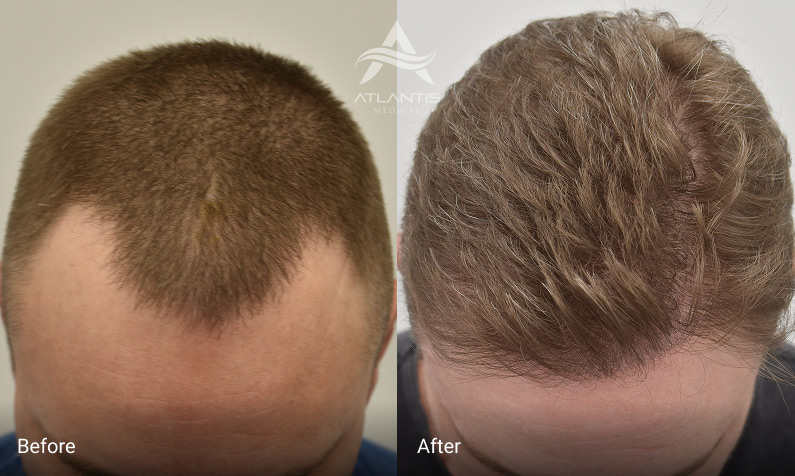
FUE hair transplant results usually develop gradually over several months. The early stages of healing are followed by a resting phase before new hair growth begins. Individual timelines vary depending on hair growth cycles, healing response and treatment scope.
A general FUE hair transplant results timeline may include:
- First 1 to 2 weeks: Mild redness, scabbing and early healing may occur
- 1 to 3 months: Transplanted hairs may shed as follicles enter a resting phase
- 3 to 6 months: Early growth may begin to appear in treated areas
- 6 to 12 months: Hair density may gradually improve
- 12 to 18 months: Continued maturation and thickening may develop
FUE hair transplant recovery is typically gradual, with many individuals able to resume normal daily activities within a short period. Recovery experiences may vary depending on the number of grafts performed, scalp sensitivity and individual healing response.
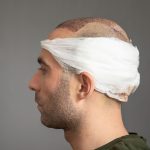
In the early stages of recovery, mild redness, swelling, or small scabs may be visible in both donor and recipient areas. These generally improve as healing progresses. Individuals are often advised to follow specific washing and aftercare guidance to support healing and reduce irritation.
Most individuals may return to work within a few days, although strenuous exercise and certain activities may be temporarily limited. As healing continues, the scalp gradually returns to a more natural appearance and transplanted follicles begin their growth cycle.
A FUE hair transplant may be suitable for individuals experiencing pattern hair loss, thinning hair, or reduced density where sufficient donor hair is available. Suitability often depends on factors such as hair characteristics, degree of hair loss and long-term expectations.
Individuals who may be considered suitable often include those with:
- Stable or gradual hair loss
- Good donor hair density
- Realistic expectations about outcomes
- General good health
- Hair loss patterns suitable for redistribution
FUE hair transplant may not be suitable for everyone. Individuals with extensive hair loss, limited donor hair, or certain scalp conditions may require alternative approaches or may be advised to consider other options. Suitability is typically determined following an individual assessment.
FUE hair transplant procedures are commonly explored by individuals seeking a longer-term approach to hair restoration. Understanding FUE hair transplant cost, results, recovery, and suitability can help individuals determine whether this option may align with their goals and expectations. Outcomes may vary depending on hair characteristics, donor area quality, and long-term hair loss progression.
If you are considering a FUE hair transplant, a personalised consultation can help assess your hair characteristics, discuss suitable options, and outline what you may expect based on your individual circumstances. To learn more or discuss your concerns, you can contact Atlantis Medical to arrange a consultation and explore whether a FUE hair transplant may be appropriate for you.
How to Book a Consultation
Booking your consultation is simple.
- Call us on (03) 9070 5234
- Contact us via our website
- Email us at enquiries@atlantismedical.com.au
- Or visit us at Level 2, 148 Glenferrie Road, Malvern, Vic 3144
Opening Hours
Mon – Fri: 8:30am – 5:00pm
Sat – Sun: Closed
FAQs
How Long Does It Take to See Results After a FUE Hair Transplant?
Hair growth following a FUE hair transplant typically develops gradually. Early growth may begin within three to six months, with continued improvement over time. Full results often develop between 12 and 18 months, although timelines can vary depending on individual hair growth cycles.
Does a FUE Hair Transplant Leave Scars?
A FUE hair transplant involves extracting individual follicles rather than removing a strip of scalp, which means scarring is usually minimal. Small dot-like marks may occur in the donor area, but these are often less noticeable once the surrounding hair grows.
How Long Does FUE Hair Transplant Recovery Take?
FUE hair transplant recovery is typically gradual. Many individuals return to normal daily activities within a few days, while full healing of the scalp may take longer, depending on the number of grafts and individual healing response.
How Much Does a FUE Hair Transplant Cost in Australia?
The cost of a FUE hair transplant in Australia varies depending on factors such as graft numbers and treatment complexity. Pricing is typically discussed following an assessment, where hair loss patterns and donor hair availability are considered.
When Is the Best Time to Consider a FUE Hair Transplant?
Some individuals consider a FUE hair transplant when hair loss has stabilised or when thinning begins to affect density or hairline shape. Timing varies between individuals and is often influenced by hair loss progression and long-term planning.
Any surgical or invasive procedure carries risks. Before proceeding, you should seek a second opinion from an appropriately qualified health practitioner.