Does Testosterone Cause Hair Loss?
Last updated on April 20, 2026
Understanding the Link Between Hormones, Genetics and Hair Loss
Hair loss is often linked to hormones, particularly when thinning begins earlier than expected or progresses over time. Testosterone is frequently discussed in relation to balding, but the relationship between hormones and hair loss is more complex than simply having higher testosterone levels.
So, does testosterone cause hair loss and can high testosterone levels lead to balding? The answer depends on several factors, including genetics, hormone sensitivity and how testosterone interacts with other hormones such as DHT. Understanding these factors can help explain why some individuals experience hair loss while others with similar testosterone levels do not.
Testosterone itself is not always the direct cause of hair loss. While testosterone plays a role in hormone-related hair loss, it is typically the conversion of testosterone into another hormone that has a greater influence on hair follicles.
Hair loss linked to testosterone is often associated with male pattern baldness, also known as androgenetic alopecia. This type of hair loss usually develops gradually and follows predictable patterns, such as thinning at the crown or a receding hairline. However, not everyone with higher testosterone levels experiences this type of hair loss.
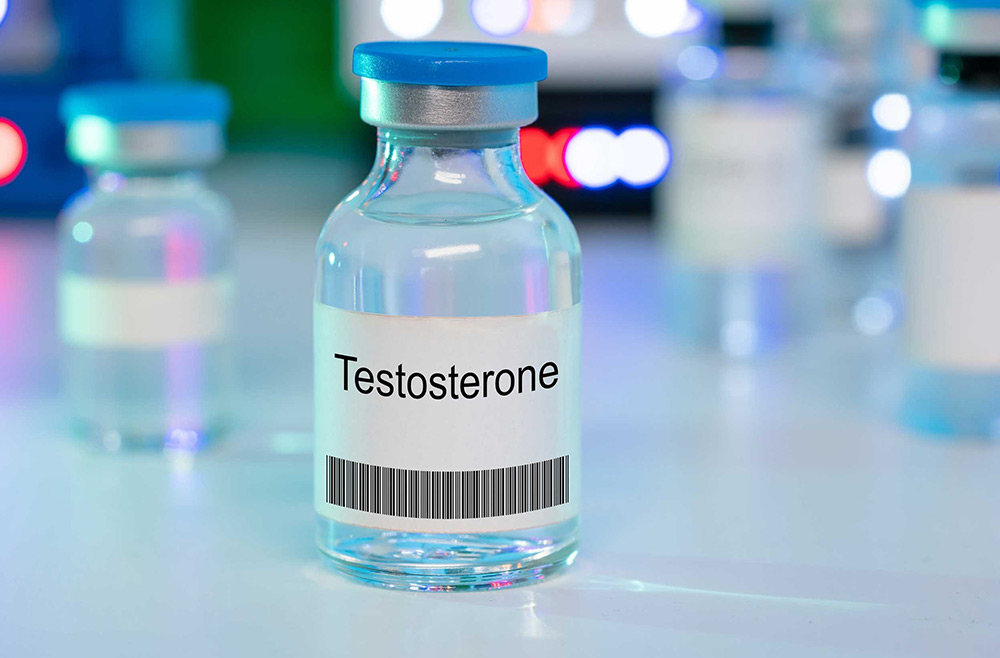
DHT, or dihydrotestosterone, is a hormone derived from testosterone. When testosterone converts into DHT, it can interact with hair follicles, particularly in individuals who are genetically sensitive to its effects. Over time, this interaction may cause hair follicles to gradually shrink, producing finer and shorter hairs.
This process, known as follicle miniaturisation, is commonly associated with male pattern baldness. As follicles become smaller, hair growth cycles may shorten, and hair density can gradually decrease. The rate at which this occurs varies between individuals and depends largely on genetic factors.
Genetic sensitivity to DHT often plays a more significant role than testosterone levels alone. Individuals who inherit follicles that are more sensitive to DHT may experience hair thinning even if their testosterone levels are within a normal range.
This helps explain why some individuals with higher testosterone maintain full hair density, while others experience gradual thinning. Hormone levels alone do not determine whether hair loss will occur, as genetics and follicle sensitivity are key factors.
Low testosterone levels may also be associated with changes in hair growth, although this relationship is less direct. Hormonal imbalances can influence hair growth cycles, potentially leading to thinning or increased shedding in some individuals.
Other factors such as age, stress, medical conditions and nutritional changes may also influence hair growth. Hair loss is rarely caused by a single factor and often develops due to a combination of influences.
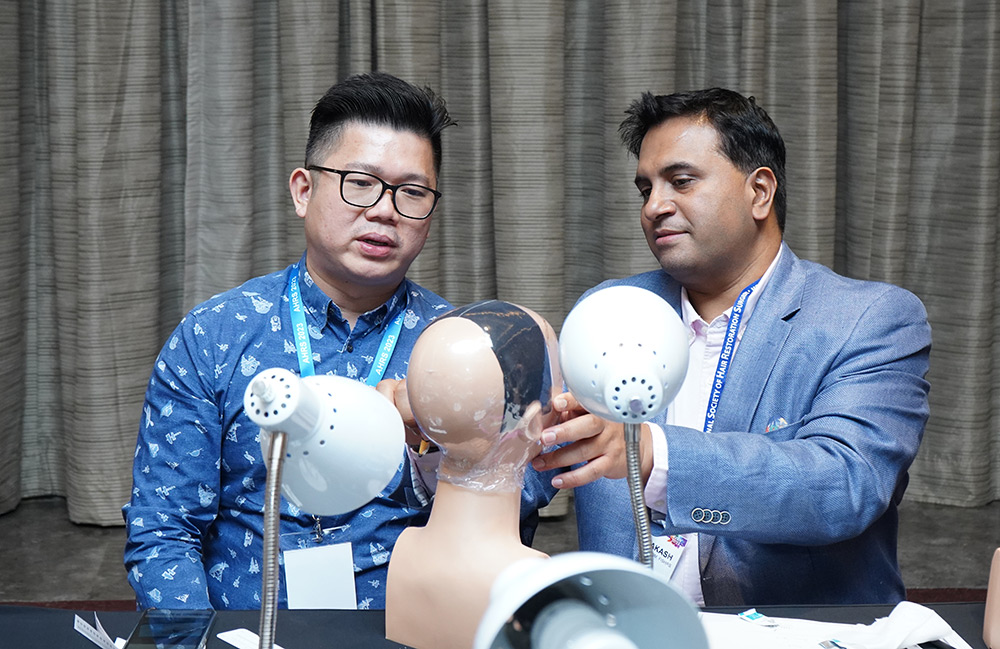
Treatment for testosterone-related hair loss depends on identifying the underlying cause and pattern of thinning. Some individuals may explore non-surgical approaches, while others may consider longer-term options such as hair transplantation, depending on their hair loss pattern and donor hair availability.
Hair restoration planning often considers factors such as current hair density, progression of hair loss and long-term expectations. An individual assessment can help determine whether hair loss is linked to hormonal factors, genetics, or a combination of influences.
Although testosterone and DHT are frequently discussed, hair loss can also occur for a variety of other reasons. Understanding these factors can help provide a more complete picture of why hair thinning may occur.
Common causes of hair loss may include:
- Genetic male or female pattern hair loss
- Age-related thinning
- Stress or lifestyle factors
- Nutritional deficiencies
- Medical conditions
- Hormonal changes
Hair loss patterns vary between individuals, and multiple factors may contribute at the same time. This is why hair loss is often assessed individually rather than attributed to a single cause.
Hair loss is often gradual, but certain changes may warrant further assessment. Rapid thinning, increased shedding, a receding hairline, or thinning at the crown may indicate progressive hair loss. Family history may also influence how hair loss develops, and early assessment can help identify patterns and guide appropriate management.
High testosterone levels alone do not necessarily lead to balding. While testosterone plays a role in hair loss, genetics and sensitivity to DHT are often more significant factors. This explains why individuals with similar hormone levels can experience very different hair loss patterns.
If you are experiencing hair thinning or are concerned about hormone-related hair loss, a professional assessment can help identify potential causes and discuss suitable options. You can contact Atlantis Medical to arrange a consultation and receive personalised guidance based on your hair characteristics and long-term considerations.
How to Book a Consultation
Booking your consultation is simple.
- Call us on (03) 9070 5234
- Contact us via our website
- Email us at enquiries@atlantismedical.com.au
- Or visit us at Level 2, 148 Glenferrie Road, Malvern, Vic 3144
Opening Hours
Mon – Fri: 8:30am – 5:00pm
Sat – Sun: Closed
FAQs
At What Age Does Testosterone-Related Hair Loss Usually Begin?
Testosterone-related hair loss can begin at different ages depending on genetic sensitivity and hormone response. Some individuals may notice early thinning in their twenties, while others may not experience noticeable changes until later in life. The timing varies depending on individual hair loss patterns and family history.
Can High Testosterone Speed Up Hair Loss?
High testosterone levels may influence hair loss in some individuals, particularly when hormones convert into DHT, which can affect hair follicles. However, this does not occur in everyone, and the rate of hair loss can vary depending on individual factors and hair loss patterns.
Does Testosterone Replacement Therapy Cause Hair Loss?
Testosterone replacement therapy may influence hair loss in some individuals, particularly those who are genetically sensitive to DHT. Increased testosterone levels may lead to higher DHT levels, which can contribute to follicle miniaturisation. This does not occur in everyone and depends on individual hormone response.
Is Hair Loss Caused by Testosterone Reversible?
Hair loss linked to testosterone and DHT may be manageable depending on how early thinning is identified. In some cases, addressing contributing factors or exploring treatment options may help slow progression. Outcomes vary depending on genetics, stage of hair loss and individual factors.
How Can You Tell If Hair Loss Is Hormone Related?
Hormone-related hair loss often develops gradually and may follow patterns such as thinning at the crown or a receding hairline. However, hair loss can occur for several reasons, and a professional assessment can help determine whether hormones, genetics, or other factors may be involved.
Any surgical or invasive procedure carries risks. Before proceeding, you should seek a second opinion from an appropriately qualified health practitioner.