What Happens During a Hair Transplant? A Step-by-Step Guide
Last updated on July 15, 2026
How Donor Hair Is Harvested, Prepared and Placed
A hair transplant involves relocating healthy follicular units from a donor area to areas affected by thinning or hair loss. At Atlantis Medical, the procedure is planned around the individual’s hair loss pattern, donor hair availability, hair characteristics and long-term treatment goals.
During the procedure itself, our focus is on harvesting the donor hair carefully, preparing the grafts correctly, creating recipient sites with the right angle and density, and placing each graft in line with the planned design. The exact steps differ slightly between FUE and FUT, but both procedures follow the same surgical principle: healthy follicular units are moved from the donor area into the area being restored.
Step 1: The Donor and Recipient Areas Are Confirmed
Before the surgical work begins, we confirm the donor and recipient areas against the planned treatment design. The donor area is generally located at the back or sides of the scalp, where the hair is more resistant to the effects of pattern hair loss.
We also confirm the recipient area before treatment starts. This may include the frontal hairline, mid-scalp, crown or another area where additional density is being created. This stage ensures the surgical work follows the agreed plan for coverage, graft distribution and natural hair direction.
Step 2: The Scalp Is Prepared
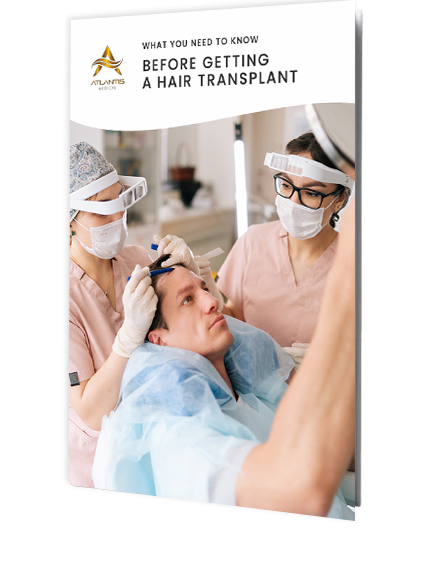
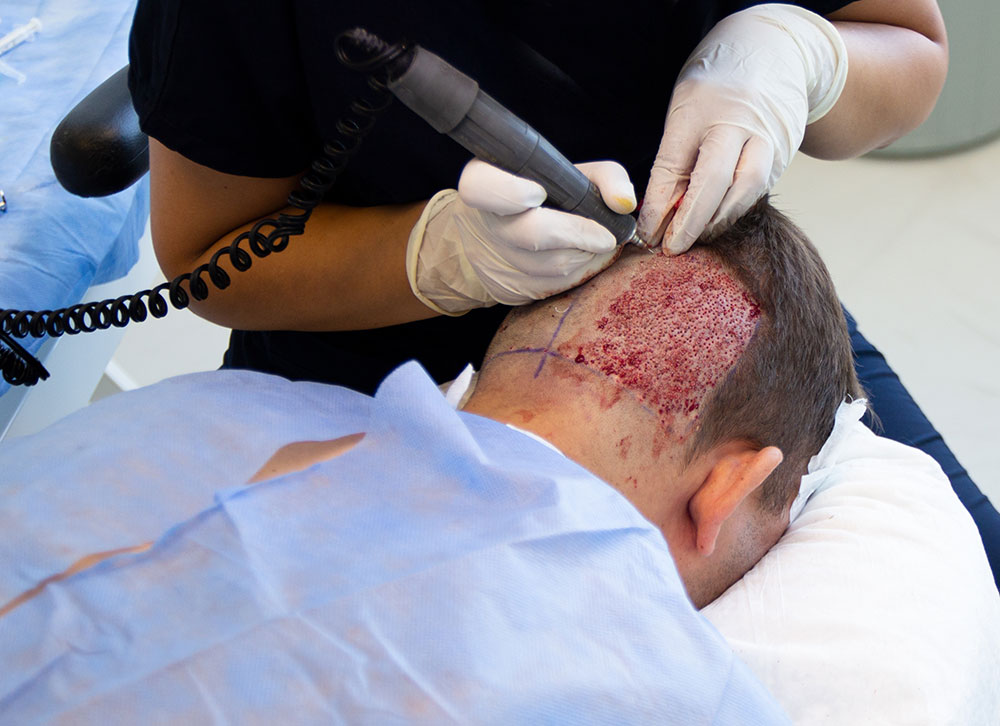
The scalp is prepared before donor hair harvesting begins. For FUE, this includes trimming the donor area so individual follicular units can be extracted precisely. The treatment areas are cleaned, and the individual is positioned carefully so the donor hair can be accessed safely and efficiently.
Hair transplant procedures at Atlantis Medical are performed under local anaesthesia. This means the treatment areas are numbed, but the person remains awake during the procedure. Local anaesthetic is used in the donor and recipient areas to support comfort while the grafts are harvested, prepared and placed.
Step 3: Donor Hair Is Harvested
The harvesting stage is where FUE and FUT differ most clearly. Both techniques are designed to collect healthy follicular units from the donor area, but the method used to remove those grafts is different.
FUE Harvesting
During FUE (Follicular Unit Extraction), individual follicular units are removed directly from the donor area using a specialised micro-punch tool. The tool creates small circular openings around each follicular unit, allowing the grafts to be loosened and extracted one by one. These grafts often contain one to three hairs each and are preserved carefully before implantation.
FUT Harvesting
During FUT (Follicular Unit Transplantation), a thin strip of scalp is removed from the donor area. The strip is then dissected under high-powered microscopes so the individual follicular units can be separated while preserving their integrity. These follicular units are then prepared for placement into the recipient area.
Step 4: The Follicular Units Are Checked and Prepared
Once the donor hair has been harvested, the follicular units are examined and organised before implantation. This is an important part of the procedure because each graft needs to be handled carefully while it is outside the scalp.
The preparation stage involves:
- Checking the quality of the harvested grafts
- Sorting follicular units by size and hair number
- Separating single-hair grafts from multi-hair grafts
- Preserving the grafts in a suitable solution before placement
- Preparing the grafts according to the planned hairline, density and coverage area
Step 5: Recipient Sites Are Created
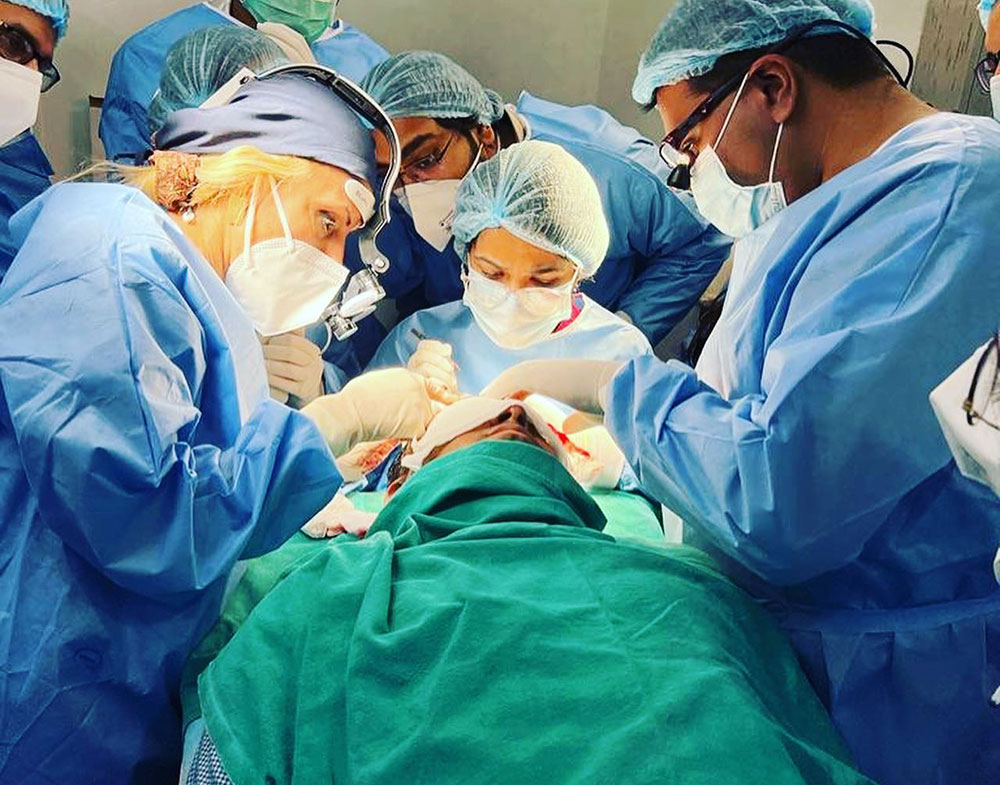
Recipient sites are the small openings made in the area where the grafts will be placed. This stage is highly detailed because the depth, angle, direction and density of these sites help determine how the transplanted hair will sit once it grows.
The approach varies depending on the area being treated. A frontal hairline requires very careful angling and often uses finer single-hair grafts to support a softer transition. Crown or density work requires a different pattern so the grafts follow the existing direction of growth and blend with the surrounding hair.
Step 6: The Grafts Are Placed Into the Recipient Area
After the recipient sites are created, the prepared follicular units are placed into position. Each graft is inserted into its planned site so it follows the intended distribution, density and direction. This part of the procedure is methodical and can take several hours, depending on the number of grafts required.
The placement stage is not simply about filling an area with hair. The grafts need to be placed in a way that works with the treatment design, the existing hair and the natural pattern of growth. This is particularly important around the frontal hairline, where graft selection and placement need to create a natural transition.
Step 7: The Areas Are Checked Before the Procedure Ends
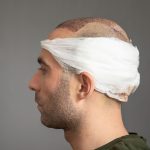
Once the grafts have been placed, we review both the donor and recipient areas. The graft placement is checked, the treatment areas are cleaned, and dressing or protection is applied where appropriate. This final check is part of completing the surgical stage of the procedure.
Before leaving the clinic, each person receives immediate post-procedure instructions. These include guidance on protecting the grafts, washing the scalp, sleeping position, activity restrictions and early healing expectations. The aim is to make sure the donor and recipient areas are cared for correctly from the first night onwards.
A Structured Procedure With Several Precise Stages
A hair transplant is a structured surgical procedure made up of several connected stages. The donor hair must be harvested carefully, prepared appropriately and placed into recipient sites that match the planned density, direction and hairline design.
At Atlantis Medical, the specific approach may vary depending on whether FUE, FUT or another hair restoration method is recommended. A consultation can help determine which technique is most appropriate for the individual hair loss pattern, donor area and treatment goals.
How to Book a Consultation
Booking your consultation is simple.
- Call us on (03) 9070 5234
- Contact us via our website
- Email us at enquiries@atlantismedical.com.au
- Or visit us at Level 2, 148 Glenferrie Road, Malvern, Vic 3144
Opening Hours
Mon – Fri: 8:30am – 5:00pm
Sat – Sun: Closed
FAQs
Is a hair transplant performed under general anaesthetic?
No. At Atlantis Medical, hair transplant procedures are performed under local anaesthesia. This means the donor and recipient areas are numbed while the person remains awake during the procedure. Local anaesthetic helps support comfort while grafts are harvested, prepared and placed. The clinical team can also provide instructions throughout the procedure when needed.
How long does a hair transplant procedure take?
A hair transplant can take several hours, depending on the number of grafts required, the technique used and the complexity of the treatment area. Smaller procedures may take less time, while larger sessions involving greater coverage can take longer. The procedure is performed methodically, as graft harvesting, preparation and placement all require careful attention.
Can you take breaks during a hair transplant?
Breaks may be built into the procedure where appropriate, especially during longer sessions. The exact timing depends on the technique being used, the number of grafts required and the stage of the procedure. The clinical team manages the process so the donor hair, prepared grafts and recipient area are handled safely throughout the appointment.
What happens to the grafts between harvesting and placement?
After the grafts are harvested, they are checked, organised and preserved before being placed into the recipient area. This stage helps separate grafts by size and hair number, including single-hair and multi-hair grafts. The grafts are handled carefully while outside the scalp so they can be placed according to the planned hairline, density and coverage area.
Is the same process used for every hair transplant?
No. The overall sequence is similar, but the details vary depending on the technique and treatment plan. FUE and FUT differ mainly in how donor hair is harvested. The number of grafts, donor area, recipient area, hairline design and existing hair pattern also influence how the procedure is performed. This is why assessment and planning are important before surgery.
Any surgical or invasive procedure carries risks. Before proceeding, you should seek a second opinion from an appropriately qualified health practitioner.