What Happens to the Donor Area After FUE?
Last updated on July 22, 2026
Why Donor Area Management Matters After FUE
In FUE hair transplant surgery, the donor area plays a central role in both the procedure and the long-term treatment plan. This is the area that supplies the follicular units used for transplantation, so it needs to be assessed carefully, harvested precisely and protected during the early healing period.
At Atlantis Medical, we plan FUE with both the recipient area and donor area in mind. The aim is to harvest suitable grafts for the area being restored while maintaining the visual density, healing quality and long-term integrity of the donor region.
What Is the Donor Area in FUE?
The donor area is the part of the scalp where follicular units are removed during FUE, generally from the back and sides of the scalp, where the hair is more resistant to the effects of pattern hair loss. During surgery, this area is trimmed, numbed with local anaesthetic and harvested using a specialised micro-punch tool so individual grafts can be removed for transplantation.
This area is finite, which means it needs to be assessed carefully before surgery. Donor density, hair calibre, graft numbers, hair loss pattern and future hair loss progression all influence how many grafts can be harvested and how the donor area should be managed.
What Happens to the Donor Area During FUE?
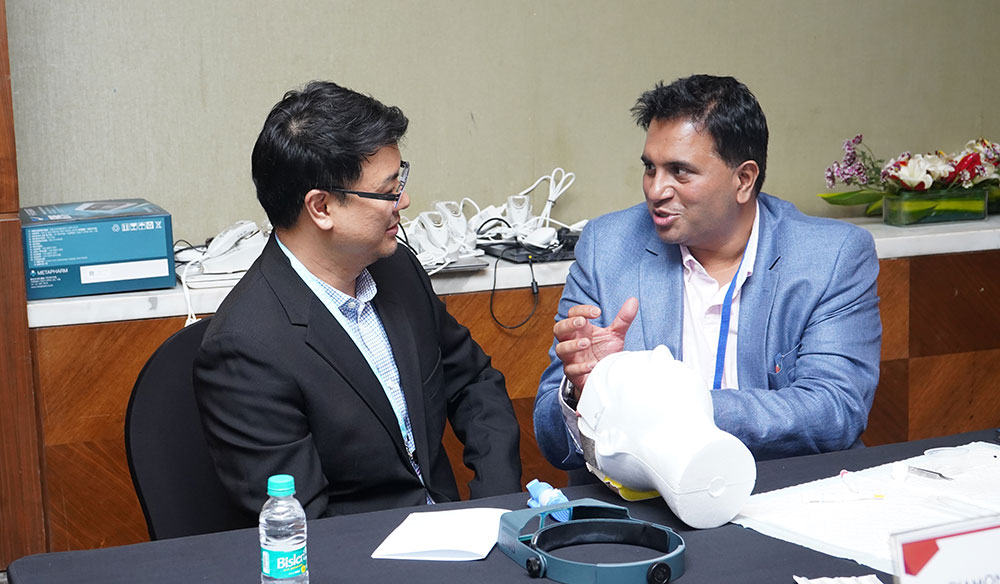
During FUE, the donor area is trimmed and prepared so the follicular units can be accessed clearly. Local anaesthetic is used to numb the area before individual grafts are removed with a specialised micro-punch tool.
Each extraction creates a small circular opening in the scalp. These extraction sites are distributed across the planned donor zone rather than taken from one concentrated area, as the extraction pattern plays an important role in maintaining the visual density of the donor region.
What the Donor Area Looks Like Immediately After FUE
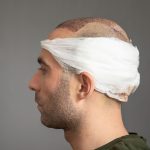
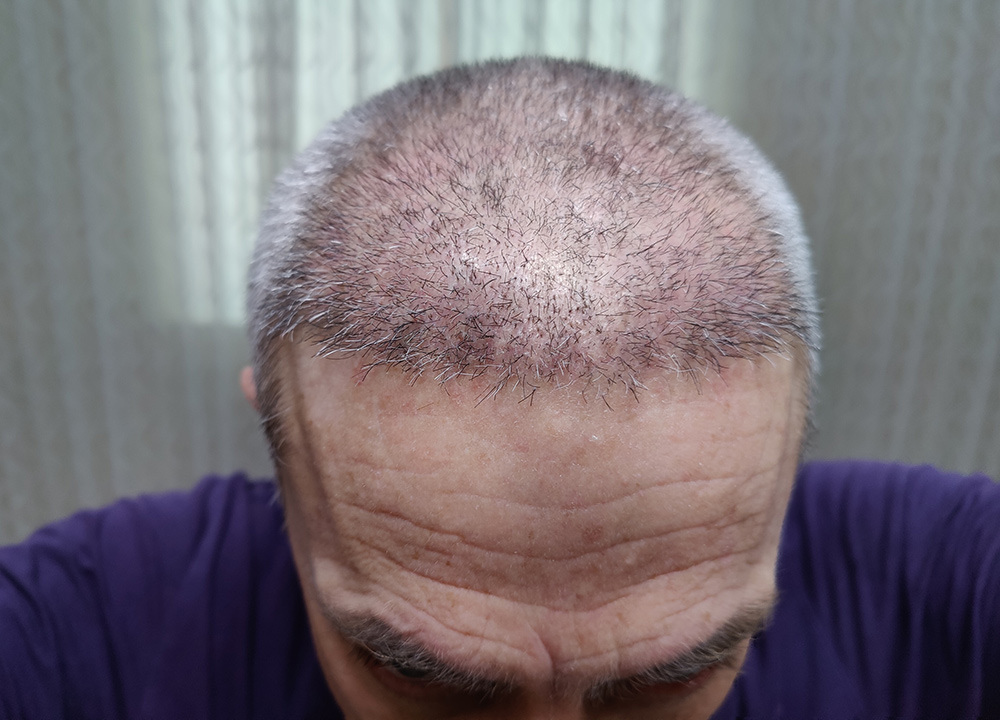
Immediately after FUE, the donor area will show small extraction points where the grafts have been removed. The area may look red, dotted or slightly inflamed, and there may be some mild swelling, tenderness or sensitivity in the early period after surgery.
The appearance of the donor area depends on several factors, including the number of grafts taken, the size of the treatment session, the person’s skin response and the way the donor hair has been harvested. Before leaving Atlantis Medical, we review the area and explain how to care for it during the first stage of healing.
How the Extraction Sites Heal
The small extraction sites in the donor area heal gradually after FUE. In the first few days, tiny scabs can form where the grafts were removed. These should not be picked or scratched, as the area needs time to close and settle.
FUE does not create the same linear donor scar associated with FUT, but it is still a surgical procedure, and the extraction sites can leave small dot-like marks. How visible these are depends on graft numbers, extraction pattern, hair length, skin characteristics and individual healing response.
What You May Notice as the Donor Area Heals
The donor area may feel tender, tight or sensitive after FUE. Some people also notice itching as the extraction sites begin to heal. These sensations are generally linked to the early healing process and the small extraction points created during donor harvesting.
Redness and scabbing are usually most noticeable in the first stage after surgery, before the donor area gradually starts to settle. The exact timeline varies from person to person, and factors such as hair length, skin tone, graft numbers and the extent of the procedure can all affect how quickly the area becomes less visible.
Donor Area Care After FUE
Donor area care is important during the early healing period. Before you leave Atlantis Medical, we provide aftercare instructions that explain how to wash the scalp, protect the extraction sites and avoid unnecessary irritation while the donor area heals.
After FUE, donor area care includes:
- Following the washing instructions provided to you
- Avoiding scratching, rubbing or picking at the extraction sites
- Protecting the scalp from direct sun exposure while it heals
- Avoiding strenuous exercise until advised
- Being careful with hats, helmets or anything that creates friction
- Using only products recommended or approved by our clinical team
Why Overharvesting Needs to Be Avoided
Overharvesting occurs when too many grafts are removed from the donor area, or when grafts are taken too densely from one section of the scalp. This can reduce visual density and make the extraction pattern more noticeable.
At Atlantis Medical, donor management is part of the wider FUE plan. We consider the available donor supply, the number of grafts required, the recipient area being treated and the possibility of future hair loss progression before recommending a surgical approach.
When to Contact the Clinic About the Donor Area
Some redness, scabbing, tenderness and itching can occur as the donor area heals. However, it is important to contact us if symptoms appear to be worsening rather than settling, or if something does not feel consistent with the aftercare advice provided to you.
You should contact Atlantis Medical if you notice:
- Increasing pain in the donor area
- Worsening redness, swelling or heat
- Discharge from the extraction sites
- Bleeding that does not settle
- Persistent irritation or sensitivity
- Any concern about how the donor area is healing
Donor Area Healing Is Part of the Overall FUE Plan
What happens to the donor area after FUE depends on the number of grafts removed, the extraction pattern, scalp healing and how closely aftercare instructions are followed. The donor area should be assessed, harvested and managed with the same level of care as the recipient area.
At Atlantis Medical, we plan every hair transplant around both the area being restored and the donor area supplying the grafts. A consultation allows us to assess donor density, hair loss pattern and treatment goals before recommending whether FUE is appropriate.
How to Book a Consultation
Booking your consultation is simple.
- Call us on (03) 9070 5234
- Contact us via our website
- Email us at enquiries@atlantismedical.com.au
- Or visit us at Level 2, 148 Glenferrie Road, Malvern, Vic 3144
Opening Hours
Mon – Fri: 8:30am – 5:00pm
Sat – Sun: Closed
FAQs
Does hair grow back in the donor area after FUE?
The follicles removed during FUE do not grow back in the donor area because they have been transferred to the recipient area. The surrounding hair remains, and careful extraction planning helps maintain visual coverage. This is why donor density, graft numbers and long-term hair loss planning are important before surgery.
How long does the donor area take to heal after FUE?
The donor area starts healing in the first few days after FUE, although the appearance and sensation can vary from person to person. Redness, scabbing and tenderness usually settle gradually as the extraction sites close. Hair length, skin tone, graft numbers and individual healing response can all affect how quickly the donor area looks less noticeable.
Is itching normal in the donor area after FUE?
Itching can occur as the donor area heals after FUE. This is often linked to scabbing, dryness or the early healing response around the extraction sites. The area should not be scratched or picked, as this can irritate the scalp. Follow the aftercare instructions provided and contact Atlantis Medical if itching becomes severe or is associated with worsening redness or discharge.
Does FUE leave scars in the donor area?
FUE does not create the same linear donor scar associated with FUT, but the extraction sites are still small surgical wounds. Tiny dot-like marks can remain after healing. Their visibility depends on graft numbers, extraction pattern, hair length, skin characteristics and healing response, which is why careful donor area management is important.
Can the donor area be overharvested during FUE?
Yes, the donor area can be overharvested if too many grafts are removed or if grafts are taken too densely from one section. This can reduce visual density and make the extraction pattern more noticeable. At Atlantis Medical, donor supply, graft numbers and future hair loss progression are considered before recommending FUE.
Any surgical or invasive procedure carries risks. Before proceeding, you should seek a second opinion from an appropriately qualified health practitioner.