Are Hair Transplants Worth It? What to Consider
Last updated on April 27, 2026
Understanding the Benefits, Limitations and What to Consider
Hair loss can develop gradually, making it difficult to know when to explore longer-term options. Some individuals notice early thinning, while others experience more noticeable changes in density or hairline shape over time. As hair restoration treatments continue to evolve, more individuals begin considering whether a hair transplant may be an appropriate step.
In this blog, we explore the question: ‘Are hair transplants worth it?’ We look at the potential benefits, limitations, success rates and the factors that may influence whether a hair transplant may be suitable for your individual circumstances.
What Does a Hair Transplant Actually Do?
A hair transplant redistributes existing hair follicles from areas where growth is typically stronger, usually the back or sides of the scalp, to areas affected by thinning or hair loss. This means the procedure does not create new hair but instead repositions existing follicles to improve density or restore hairline shape.
As transplanted follicles follow natural hair growth cycles, results usually develop gradually over time. Planning often considers both current hair loss and potential future thinning, helping create outcomes that remain consistent as hair loss patterns evolve. This is why hair transplant planning is typically tailored to individual hair characteristics rather than using a standard approach.
When a Hair Transplant May Be Worth Considering
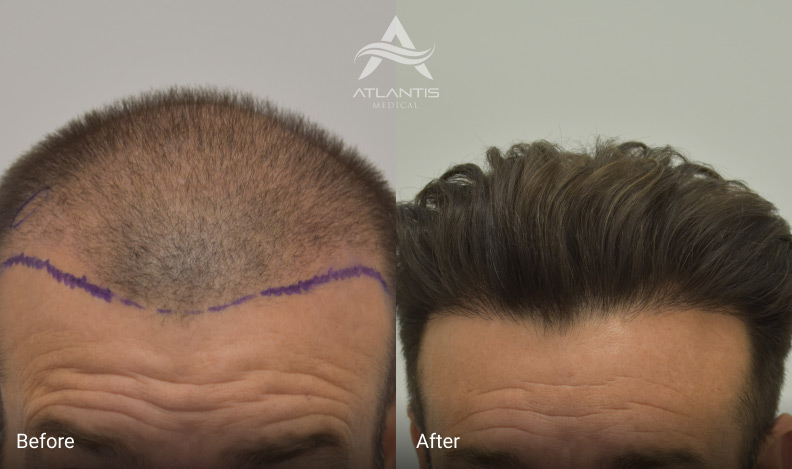
A hair transplant may be worth considering when hair loss has stabilised or progressed gradually and there is sufficient donor hair available. Individuals experiencing thinning at the hairline, crown, or areas of reduced density may explore this option when changes begin to affect overall hair coverage.
Suitability also depends on expectations and long-term planning. Hair transplants redistribute existing hair rather than restoring full density in every case, which means achievable outcomes vary between individuals. An assessment can help determine whether a hair transplant may align with individual hair characteristics and treatment goals.
When a Hair Transplant May Not Be Suitable
Hair transplants may not be suitable in situations where donor hair is limited or hair loss is progressing rapidly. Since the procedure relies on redistributing existing follicles, extensive hair loss can reduce the available donor supply and influence potential outcomes.
Other factors, such as certain scalp conditions or expectations that may not align with achievable density, may also affect suitability. An individual assessment helps determine whether a hair transplant may be appropriate based on hair characteristics, long-term planning and overall hair loss patterns.
Potential Benefits of Hair Transplants
Hair transplants may offer potential benefits depending on individual hair characteristics and treatment planning. Since transplanted follicles are taken from areas typically less affected by hair loss, they may continue to grow in the recipient area over time. Outcomes vary depending on donor hair quality, hair thickness and long-term hair loss progression.
Potential benefits may include:
- Improved hair density in thinning areas
- Gradual, natural-looking hair growth
- Redistribution of existing hair rather than temporary solutions
- Long-term planning for hair loss patterns
Limitations to Consider
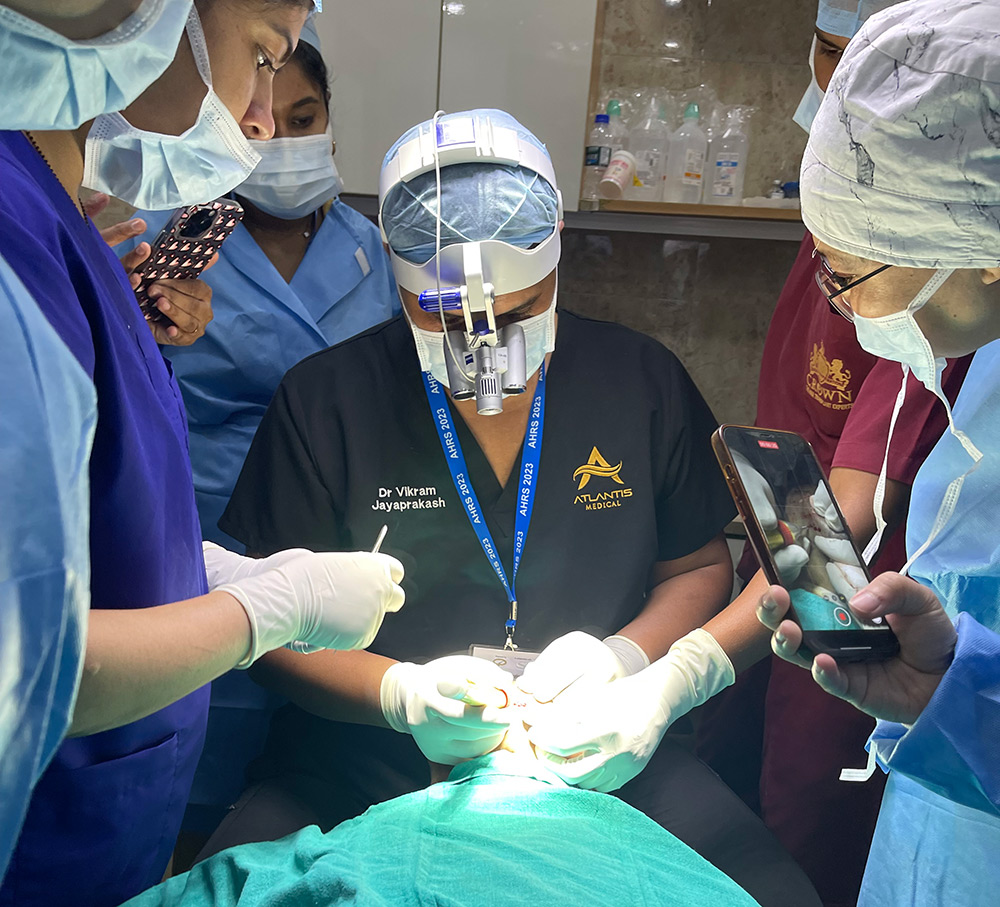
Hair transplants also have limitations that should be considered when evaluating whether they may be worth it. Since hair is redistributed rather than created, donor hair availability plays an important role in determining possible outcomes. Understanding these limitations can help support realistic expectations and informed decision-making.
Limitations may include:
- Results vary between individuals
- Donor hair availability may limit density
- Gradual development rather than immediate changes
- Ongoing natural hair loss may continue
What Is the Hair Transplant Success Rate?
Hair transplant success rate can vary depending on several factors, including donor hair quality, hair loss pattern and treatment planning. In many cases, transplanted follicles may establish and grow in the recipient area, although outcomes differ between individuals.
Factors such as hair thickness, scalp health and individual healing response may influence how transplanted follicles develop. Long-term planning also plays an important role, as natural hair loss may continue in untreated areas.
How Long Do Hair Transplant Results Last?
Hair transplant results may be long-lasting, particularly when follicles are taken from areas typically less affected by hair loss. However, natural hair loss may continue in untreated areas, which is why long-term planning is often considered when designing a hair transplant.
Results typically develop gradually and may continue to mature over several months, with long-term outcomes influenced by donor hair quality, hair loss progression and individual hair characteristics.
What Factors Influence Whether a Hair Transplant Is Worth It
Several factors may influence whether a hair transplant is worth considering. These considerations often relate to individual hair characteristics, expectations and long-term planning.
Factors that may influence suitability include:
- Age and stage of hair loss
- Donor hair availability
- Hair thickness and density
- Hair loss pattern
- Long-term expectations
Are There Alternatives to Hair Transplants?
Hair transplants are one option for addressing hair loss, but non-surgical approaches may also be considered depending on individual circumstances. Atlantis Medical offers a range of non-surgical hair loss treatments that may be suitable for individuals who are not ready for a hair transplant or who may benefit from alternative approaches.
These may include growth factor therapy, low-level laser therapy, medication-based treatments and other non-surgical options designed to support hair growth or slow hair loss progression. In some cases, non-surgical treatments may be used alongside hair transplantation as part of a longer-term hair restoration strategy.
Final Thoughts
Hair transplants may be worth considering for individuals with suitable hair characteristics, stable hair loss and realistic expectations. However, outcomes vary, and whether a hair transplant is appropriate depends on donor hair availability, hair loss progression and long-term planning.
If you are considering whether a hair transplant may be suitable, a consultation can help assess your hair loss pattern, discuss available options and outline what may be achievable based on your individual circumstances. You can contact Atlantis Medical to arrange a consultation and explore whether a hair transplant or alternative treatment may be appropriate for you.
How to Book a Consultation
Booking your consultation is simple.
- Call us on (03) 9070 5234
- Contact us via our website
- Email us at enquiries@atlantismedical.com.au
- Or visit us at Level 2, 148 Glenferrie Road, Malvern, Vic 3144
Opening Hours
Mon – Fri: 8:30am – 5:00pm
Sat – Sun: Closed
FAQs
Are Hair Transplants Permanent?
Hair transplants may offer long lasting results, as transplanted follicles are typically taken from areas less affected by hair loss. However, natural hair loss may continue in untreated areas over time, which is why long-term planning is often considered when designing a hair transplant.
How Do I Know if a Hair Transplant Is Worth It for Me?
Whether a hair transplant may be worth considering depends on individual factors such as hair loss pattern, donor hair availability and expectations around results. A consultation may help determine whether a hair transplant or alternative treatment may be suitable for your circumstances.
Can Non-Surgical Treatments Be Used Instead of a Hair Transplant?
Non-surgical treatments may be considered depending on individual circumstances. These options may be explored before or alongside a hair transplant, depending on hair loss pattern and long-term planning.
At What Age Should You Consider a Hair Transplant?
There is no specific age for a hair transplant, as suitability depends more on hair loss stability and donor hair availability. In some cases, waiting until hair loss patterns are clearer may help support longer-term planning and more consistent outcomes.
Can a Hair Transplant Look Natural?
Hair transplants may produce natural-looking results when planned according to hair direction, density and hairline design. Outcomes vary between individuals, and natural appearance often depends on donor hair quality, hair characteristics and long-term hair loss progression.
Any surgical or invasive procedure carries risks. Before proceeding, you should seek a second opinion from an appropriately qualified health practitioner.