12 Foods to Help Prevent Hair Loss and Support Hair Health
Last updated on October 1, 2026
Medically reviewed by Dr Vikram Jayaprakash | BM, FISHRS, ABHRS, FRACGP | Last updated on August 2026
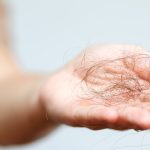
Hair loss can occur for many reasons. Genetics, hormonal changes, medical conditions, stress and even daily habits can all contribute. While some factors are outside our control, others, like nutrition, can be addressed through simple lifestyle changes.
A healthy diet nourishes the body from within, delivering key nutrients that help maintain strong hair and a healthy scalp. Eggs, salmon, spinach, lean meat, legumes, shellfish, nuts, seeds, sweet potatoes, fruit, Greek yoghurt and avocado are among the foods that can support hair health alongside other appropriate measures.
How Nutrition Supports Hair Health and Growth
Hair is made mostly of protein, and the follicles that produce each strand are active tissues that require a constant supply of nutrients to function well. Protein deficiency, iron deficiency, and other vitamin deficiencies can disrupt the hair growth cycle, leading to shedding or brittle strands. While no single food is a magic fix for hair loss, a balanced diet can help create the conditions for healthy growth.
Nutrients that are particularly important for hair include:
- Protein: The structural building block of hair.
- Iron: Carries oxygen to the scalp and follicles.
- Omega-3 fatty acids: Help maintain normal scalp function.
- Zinc: Supports tissue repair and cell function.
- Vitamin C: Supports collagen production and iron absorption.
- Vitamins A and D: Contribute to normal cell and follicle function.
- Biotin and other B vitamins: Support normal energy metabolism and healthy cell production.
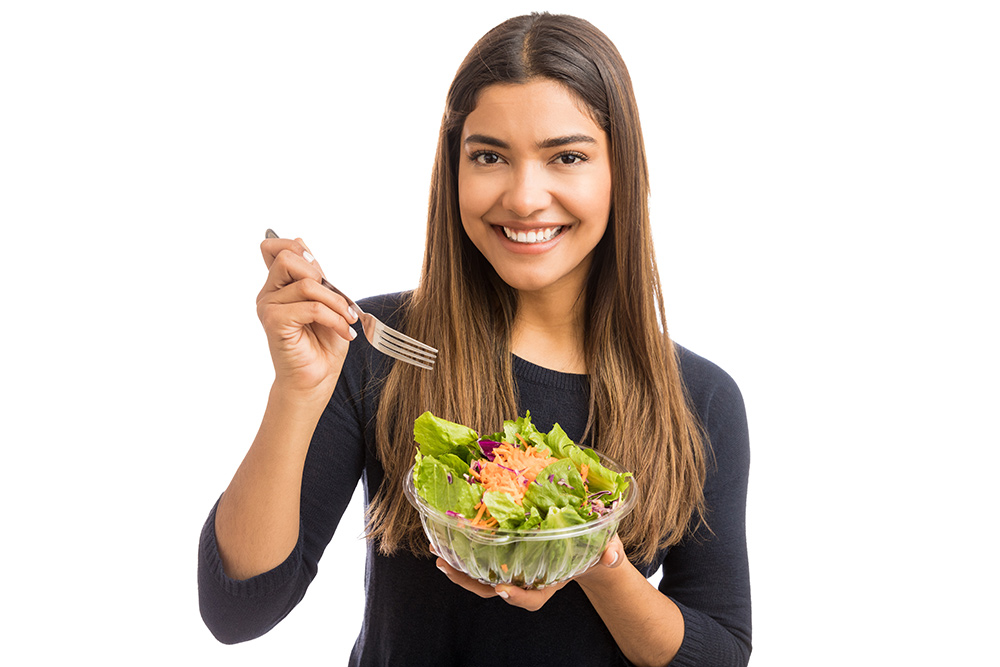
A varied diet provides the protein, vitamins, minerals and healthy fats required to support normal hair growth and scalp function.
Key Nutrients in 12 Foods That Support Healthy Hair
The following foods provide different combinations of protein, vitamins, minerals, and healthy fats that support normal hair and scalp function.
| Food | Key nutrients |
|---|---|
| Eggs | Protein, biotin, vitamin B12 and selenium |
| Salmon | Protein, omega-3 fatty acids and vitamin D |
| Spinach | Iron, folate and vitamins A and C |
| Nuts and seeds | Vitamin E, zinc, selenium and healthy fats |
| Sweet potatoes | Beta-carotene and vitamin C |
| Lean red meat | Protein, haem iron, zinc and vitamin B12 |
| Chicken and turkey | Protein, iron, zinc and B vitamins |
| Lentils, beans and chickpeas | Plant protein, iron, zinc and folate |
| Oysters and shellfish | Zinc, iron, protein and vitamin B12 |
| Berries and citrus fruits | Vitamin C and antioxidants |
| Greek yoghurt | Protein, vitamin B12 and calcium |
| Avocado | Healthy fats, vitamin E, folate and vitamin C |
How These 12 Foods Support Hair and Scalp Health
Each food offers a different combination of nutrients, so variety is more valuable than relying on one supposed superfood. Together, these foods can help provide the protein, vitamins, minerals, and healthy fats that support normal hair growth.
Eggs
Eggs are a rich source of high-quality protein and biotin, two nutrients involved in keratin production. Keratin forms the main structural protein in hair, giving each strand its strength and resilience. Eggs also provide vitamin B12 and selenium, which contribute to normal cell function.
Salmon
Salmon contains protein and omega-3 fatty acids, which help maintain normal scalp function. It is also a natural source of vitamin D, a nutrient involved in follicle health and the hair growth cycle. Other oily fish, including sardines and trout, can provide similar nutritional benefits.
Spinach
Spinach provides iron, folate and vitamins A and C. Iron supports oxygen delivery to the follicles, while vitamin C helps the body absorb iron and vitamin A contributes to normal cell growth and skin function. Including spinach alongside a varied diet can help maintain an adequate intake of these nutrients.
Nuts and Seeds
Almonds, walnuts, pumpkin seeds, flaxseeds and chia seeds provide different combinations of vitamin E, zinc, selenium and healthy fats. Including a varied selection can support overall nutrition and normal scalp function. Nuts and seeds also provide plant-based protein that contributes to normal hair structure.
Sweet Potatoes
Sweet potatoes are high in beta-carotene, which the body converts into vitamin A as required. Vitamin A supports normal cell growth and helps maintain the health of the skin and scalp. Other orange vegetables, including carrots and pumpkin, also provide beta-carotene.
Lean Red Meat
Lean beef and lamb provide protein, zinc, vitamin B12 and haem iron, which is absorbed more readily than plant-based iron. These nutrients support oxygen transport, tissue function and keratin production. Lean red meat can be a particularly useful source of iron for individuals whose diet is otherwise low in this mineral.
Chicken and Turkey
Chicken and turkey are useful sources of protein, as well as iron, zinc and B vitamins. Adequate protein is important for maintaining hair structure and supporting normal growth. These foods can provide a lean protein option for people who do not regularly eat red meat or oily fish.
Lentils, Beans and Chickpeas
Lentils, beans and chickpeas provide plant-based protein, iron, zinc and folate. Combining them with vitamin C-rich foods can help the body absorb more of their non-haem iron. They can be particularly valuable sources of protein and minerals within vegetarian and vegan diets.
Oysters and Shellfish
Oysters are particularly rich in zinc, while other shellfish can provide protein, iron and vitamin B12. Zinc supports normal cell function and tissue repair, although excessive supplementation should be avoided. Obtaining zinc from a varied diet can help maintain adequate intake without relying on high-dose supplements.
Berries and Citrus Fruits
Berries, oranges and kiwi fruit provide vitamin C and antioxidants. Vitamin C supports collagen production and helps the body absorb iron from spinach, legumes and other plant-based foods. Adding these fruits to meals or snacks can therefore complement other iron-rich foods within the diet.
Greek Yoghurt
Greek yoghurt provides protein, vitamin B12 and calcium, while some fortified varieties also contain vitamin D. It can be combined with berries, nuts and seeds for a broader mixture of hair-supporting nutrients. Its relatively high protein content also makes it a useful addition to breakfast or a balanced snack.
Avocado
Avocado contains healthy fats, vitamin E, folate and vitamin C. These nutrients contribute to normal skin and scalp function, while dietary fats help the body absorb fat-soluble vitamins. Combining avocado with vegetables or other nutrient-rich foods can support the absorption of vitamins A, D and E.
A balanced diet supports hair and scalp health, although it cannot address every underlying cause of hair loss.
Lifestyle Habits That Support Healthy Hair
Good nutrition is just one piece of the puzzle. Your everyday habits can also affect the strength, texture and appearance of your hair.
Supportive habits include:
- Staying hydrated: Water supports general health and normal skin function.
- Managing stress: Ongoing physical or emotional stress can contribute to increased shedding.
- Avoiding excessive heat styling: Frequent use of straighteners and hair dryers can weaken hair.
- Using gentle hair care: Choose a mild shampoo and avoid aggressive brushing.
- Caring for the scalp: Regular cleansing can help remove oil, scale and product residue.
- Avoiding restrictive diets: Severe calorie or protein restriction can disrupt the hair growth cycle.
Treatments That Can Support Hair Loss Beyond Diet
Even with good nutrition and hair care habits, some causes of hair loss require targeted professional treatment. At Atlantis Medical, we provide a range of non-surgical options that may complement a healthy lifestyle, including low-level laser therapy and prescription topical or oral medication recommended after an individual assessment.
Combining a nutrient-rich diet with suitable treatment allows nutritional factors and the underlying cause of hair loss to be considered together. The appropriate approach will depend on the type, pattern and progression of the hair loss.
A Balanced Diet Cannot Address Every Cause of Hair Loss
A balanced diet rich in the right nutrients can help support the health of your hair and scalp. While food alone cannot always prevent hair loss, it plays an important role in maintaining the conditions needed for normal growth. If hair thinning or shedding remains a concern, seeking professional advice can help identify whether nutrition, genetics, hormones, a medical condition or another factor may be involved.
Book a Hair and Scalp Consultation at Atlantis Medical
Booking your consultation is simple:
- Call us on (03) 9070 5234
- Contact us via our website
- Email us at enquiries@atlantismedical.com.au
- Or visit us at Level 2, 148 Glenferrie Road, Malvern, Vic 3144
Opening Hours
Mon–Fri: 8:30 am–5:00 pm
Sat–Sun: Closed
Foods to Prevent Hair Loss FAQs
What are the best foods to prevent hair loss?
Foods rich in protein, iron, omega-3 fatty acids, zinc and essential vitamins can help support hair health. These include eggs, salmon, spinach, lean meat, legumes, shellfish, nuts, seeds, sweet potatoes, fruit, Greek yoghurt and avocado.
How does diet affect hair loss prevention?
A balanced diet provides the nutrients needed for strong hair and a healthy scalp. Deficiencies in certain vitamins, minerals or protein may contribute to hair thinning or increased shedding.
Can nutrient-rich foods stop hair shedding completely?
Nutrient-rich foods support the hair growth cycle, but they may not address every cause of hair loss. Genetic, hormonal, autoimmune and medical factors may require separate assessment and treatment.
What foods help make hair thicker and stronger?
Protein-rich foods such as eggs, fish, poultry and legumes provide the building blocks needed to produce keratin. Iron, zinc, vitamin C, vitamin D and healthy fats also contribute to normal hair and follicle function.
How long does it take to see results from a hair-healthy diet?
Hair growth is a slow process, and noticeable changes may take several months. The timeline will depend on whether a nutritional deficiency is present and whether other factors are contributing to the hair loss.
Should I see a specialist if hair loss continues despite a good diet?
Yes, ongoing hair loss despite a balanced diet may indicate an underlying issue. A professional assessment can examine the pattern of hair loss and determine whether further investigation or treatment may be appropriate.
Are there specific vitamins that help prevent hair loss?
Vitamins A, C and D, along with biotin and other B vitamins, contribute to normal hair and scalp function. These nutrients are generally best obtained through a balanced diet unless supplementation has been recommended by a healthcare professional.
Can a poor diet cause hair thinning?
Prolonged nutritional deficiencies, inadequate protein intake and severe calorie restriction can disrupt the hair growth cycle. However, hair thinning has several possible causes and should not automatically be attributed to diet.
Any surgical or invasive procedure carries risks. Before proceeding, you should seek a second opinion from an appropriately qualified health practitioner.