Top Reasons Behind Itchy Scalp and Hair Loss and How to Manage Them
Last updated on September 28, 2026
Medically reviewed by Dr Vikram Jayaprakash | BM, FISHRS, ABHRS, FRACGP | Last updated on August 2026
An itchy scalp can be more than a passing irritation. In some cases, it may signal that the condition of the scalp is affecting hair health. Ongoing discomfort may occur alongside thinning or shedding when irritation, inflammation, infection or repeated scratching affects the scalp or hair.
Dandruff, seborrhoeic dermatitis, psoriasis, folliculitis, tinea capitis, dryness and contact reactions can all cause scalp itching. Some conditions may also contribute to temporary hair loss, while others cause itching without directly affecting the follicles.
Why Itchy Scalp and Hair Loss Can Occur Together
The scalp is home to thousands of hair follicles, each playing a role in healthy growth. When the skin becomes inflamed or irritated, it can interfere with the scalp environment and contribute to breakage or shedding. Persistent scratching may also damage the skin’s surface, weaken the hair shafts or loosen hairs that were already approaching the shedding phase.
However, an itchy scalp does not always cause hair loss. The two symptoms may arise from the same scalp condition, or the hair loss may have a separate genetic, hormonal, nutritional or medical cause that requires individual assessment.
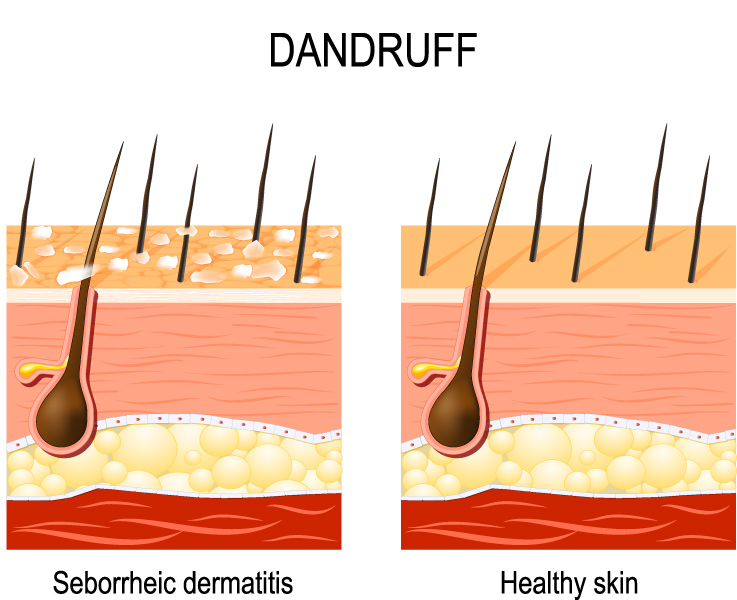
Understanding the causes of itchy scalp and hair loss is the first step toward finding the right solution.
Common Causes of Itchy Scalp and Hair Loss
An itchy scalp can have several possible causes, ranging from mild dryness and product irritation to inflammatory or infectious scalp conditions. The appearance of the scalp, the pattern of hair loss, and the presence of symptoms such as scaling, redness, tenderness, or broken hairs can help distinguish between them.
Dandruff and Seborrhoeic Dermatitis
Dandruff is characterised by visible flakes, itching and irritation and may be associated with the naturally occurring yeast Malassezia. Seborrhoeic dermatitis can cause more persistent scaling, redness and inflammation. Neither usually causes permanent hair loss, but repeated scratching may contribute to breakage or temporary shedding.
Scalp Psoriasis
Scalp psoriasis can cause raised, scaly patches accompanied by itching, soreness or burning. The condition does not usually permanently damage the follicles, but scratching or forcibly removing the scale can loosen hairs and contribute to temporary hair loss.
Folliculitis
Folliculitis occurs when hair follicles become inflamed and may cause small bumps, pustules, itching or tenderness. Mild cases do not necessarily affect hair growth, but severe, recurrent or scarring forms of scalp folliculitis can result in localised hair loss.
Tinea Capitis
Tinea capitis, also known as scalp ringworm, is a fungal infection involving the scalp and hair. It can cause itching, scaling, broken hairs, and patchy hair loss, while a severely inflamed form may increase the risk of scarring in the affected area.
Dry Scalp
A dry scalp develops when the skin lacks moisture and may be associated with environmental changes, frequent washing or unsuitable hair products. Unlike dandruff, which is generally linked to irritation and flaking on an oilier scalp, dryness tends to produce finer flakes and leave the scalp feeling tight.
Contact Dermatitis
Hair dyes, shampoos and styling products can irritate the scalp or trigger an allergic reaction. Contact dermatitis may cause itching, redness, swelling or blistering, and persistent scratching or severe inflammation can contribute to temporary shedding or hair breakage.
When Itchy Scalp and Hair Loss May Indicate a Medical Condition
An itchy scalp accompanied by patchy hair loss, broken hairs, pustules, thick scale, pain or signs of infection should be professionally assessed. These symptoms may indicate tinea capitis, a significant inflammatory condition or a form of folliculitis that requires targeted medical care.
Hair loss can also develop independently of the itching. Alopecia areata, hormonal changes, thyroid disorders, nutritional deficiencies, and genetic hair loss patterns may occur alongside a scalp concern without being caused by it.
How to Relieve a Mild Itchy Scalp at Home
Mild itching related to dryness, product residue or uncomplicated dandruff may improve with appropriate scalp care. Persistent, severe or unexplained symptoms should be assessed before attempting prolonged self-treatment.
Steps that may help relieve mild symptoms include:
- Use a gentle shampoo suited to your scalp type
- Consider a suitable medicated shampoo for visible dandruff
- Wash the hair regularly to reduce oil and product build-up
- Rinse thoroughly to remove shampoo and styling-product residue
- Avoid introducing several new hair products at the same time
- Limit harsh chemicals and excessive heat styling
- Avoid scratching or forcibly removing scale
- Stop using a product if it appears to trigger redness or irritation
- Manage stress where it appears to worsen scalp symptoms
Professional Assessment for Persistent Itchy Scalp and Hair Loss
If scalp irritation and hair loss continue despite appropriate at-home care, a medical consultation can help determine whether the concerns are connected or have separate causes. Treatment is based on the condition of the scalp and the type and progression of hair loss, with any active inflammation or infection addressed where necessary.
Depending on the findings, suitable options may include:
- Low-Level Laser Therapy to support follicle activity in suitable forms of hair loss once the scalp is healthy.
- Hair transplant techniques such as FUE or FUT for suitable individuals with established areas of permanent hair loss.
- Prescription treatments for diagnosed hair-loss or scalp conditions where clinically appropriate.
Persistent Itchy Scalp and Hair Loss Should Be Assessed
Itchy scalp and hair loss can share the same trigger, but one does not always cause the other. Dandruff, dryness, and product irritation may be manageable with appropriate scalp care, while psoriasis, folliculitis, and tinea capitis may require more specific assessment and treatment.
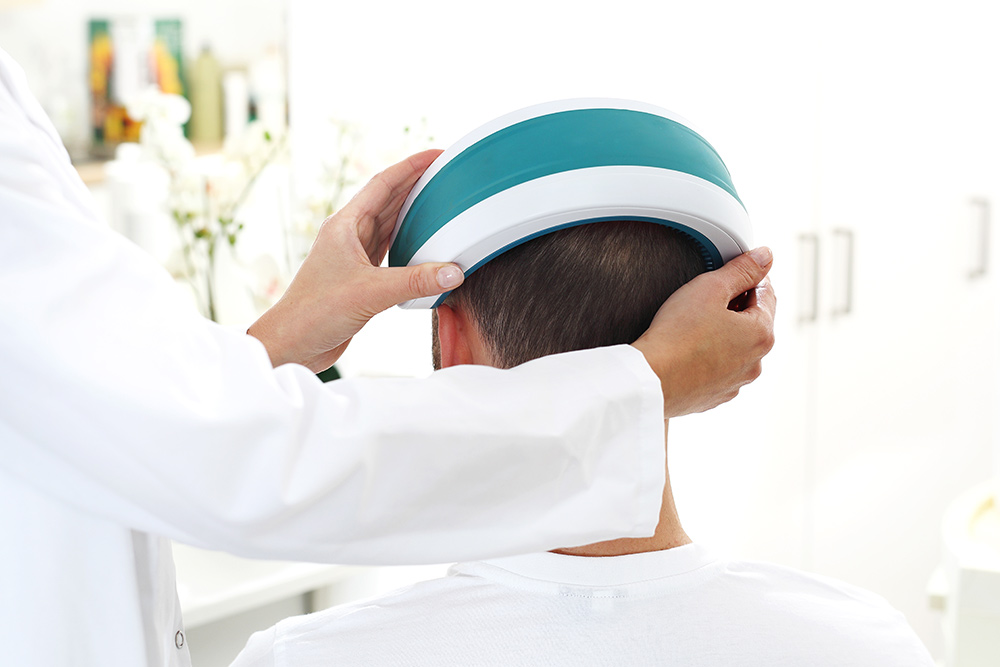
Persistent itchy scalp and hair loss may signal an underlying scalp condition that needs targeted care.
Seeking advice is particularly important when symptoms persist, worsen or include patchy hair loss, broken hairs, sores, pustules or extensive scaling. Identifying the cause helps protect the scalp and avoids delaying appropriate care.
Book a Hair and Scalp Consultation at Atlantis Medical
Booking your consultation is simple:
- Call us on (03) 9070 5234
- Contact us via our website
- Email us at enquiries@atlantismedical.com.au
- Or visit us at Level 2, 148 Glenferrie Road, Malvern, Vic 3144
Opening Hours
Mon–Fri: 8:30 am–5:00 pm
Sat–Sun: Closed
Itchy Scalp and Hair Loss FAQs
Can an itchy scalp cause permanent hair loss?
Most mild causes of scalp itching do not result in permanent hair loss. However, an untreated infection or a severe inflammatory or scarring condition may damage the follicles, making timely assessment important.
Does dandruff cause hair loss?
Dandruff does not directly cause permanent hair loss. Persistent inflammation, vigorous scratching and repeated disturbance of the scalp may nevertheless contribute to breakage or temporary shedding.
Does scratching dandruff cause hair loss?
Repeated scratching can damage the scalp’s surface, weaken hair shafts and loosen hairs that were already approaching the shedding phase. Reducing the itching and treating the dandruff can help prevent further irritation.
Will hair grow back after a scalp condition has been treated?
Hair may regrow when shedding results from temporary inflammation, scratching, or breakage, and the follicles remain intact. Regrowth is less predictable when a condition has caused permanent scarring or damage to the follicles.
How can I tell the difference between dandruff and a dry scalp?
Both can cause flaking and itching, but dandruff may produce more persistent or oily flakes. A dry scalp is associated with reduced moisture and tends to produce finer, drier flakes.
Can an itchy scalp be a sign of a fungal infection?
Yes, tinea capitis can cause itching, scale, broken hairs and patchy hair loss. It requires medical treatment and should not be managed as ordinary dandruff.
When should I seek medical advice for an itchy scalp?
Seek advice when itching is persistent, severe or accompanied by pain, extensive redness, sores, pustules, thick scale, broken hairs or patchy hair loss. Sudden or rapidly progressing hair loss should also be professionally assessed.
Can hair-loss treatment begin while the scalp is inflamed?
The cause of active scalp inflammation should be identified before beginning treatment intended to address hair loss. Treating or stabilising the scalp condition first may be necessary before further care is considered.
Any surgical or invasive procedure carries risks. Before proceeding, you should seek a second opinion from an appropriately qualified health practitioner.