What Does Thyroid Hair Loss Look Like?
Last updated on September 28, 2026
Understanding how thyroid changes can affect hair growth and shedding
The thyroid plays an important role in regulating metabolism, energy levels and many processes that keep the body functioning normally, including hair growth. When thyroid hormone levels become unbalanced, it can affect the natural hair cycle and lead to noticeable changes in shedding, texture and overall density.
So, what does thyroid hair loss look like, and why does it happen? Thyroid-related hair loss is usually linked to disruptions in the normal growth cycle rather than damage to the follicles themselves. Understanding how thyroid function influences the scalp can help explain why thinning occurs and what to realistically expect during recovery.
What Does Thyroid Hair Loss Look Like?
Thyroid-related hair loss typically presents as diffuse hair thinning rather than obvious bald patches. Many people notice thyroid hair shedding when washing or brushing their hair, along with a general reduction in volume across the entire scalp. Hair may also feel finer, drier, or more fragile than usual.
Both hypothyroidism hair loss and hyperthyroidism hair loss can affect the hair cycle. Instead of isolated areas of loss, the change is often widespread and gradual, which is why thyroid and hair thinning can be difficult to recognise at first. Slower regrowth is also common, meaning the hair may feel thinner even after shedding begins to settle.
Why Thyroid Problems Can Cause Hair Loss
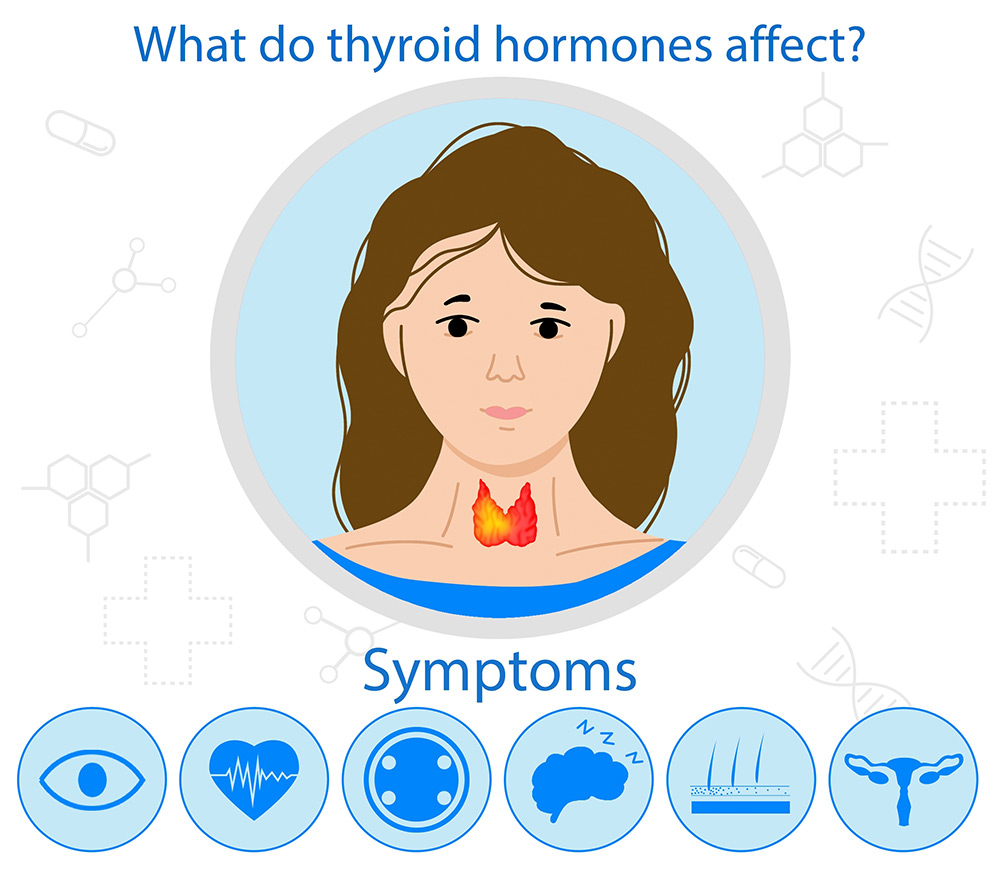
Thyroid hormones help regulate how quickly cells function and renew themselves, including the cells responsible for hair growth. When thyroid hormone imbalance occurs, follicles can shift into resting phases earlier than expected, leading to increased shedding and slower replacement.
Disruption to the Hair Growth Cycle
Hair grows in cycles that include growth, transition and resting phases. Hormonal imbalance hair loss can occur when thyroid changes push more follicles into the resting phase at the same time, which leads to noticeable shedding several weeks or months later. This pattern explains why hair loss from thyroid problems may appear gradually rather than immediately.
Slower Metabolism and Follicle Function
When thyroid activity slows, overall cellular turnover can decrease. Hair follicles depend on active metabolism to maintain consistent growth, so reduced cellular activity may result in weaker strands and slower regrowth over time.
Nutritional and Hormonal Changes
Thyroid conditions can also influence how the body uses nutrients and regulates hormones. Changes in iron levels, protein metabolism and overall energy balance may further affect follicle performance, which can contribute to diffuse hair shedding alongside the hormonal imbalance itself.
How Thyroid Hair Loss Differs From Other Types of Hair Loss
Unlike pattern hair loss, which usually affects specific areas such as the crown or hairline, thyroid-related hair loss tends to be more evenly spread across the scalp. The overall appearance is often one of reduced scalp hair density rather than distinct bald areas. Some people may also notice thinning of the outer eyebrows, which can be a recognised feature of thyroid hormone imbalance.
Another difference is that temporary hair loss from thyroid conditions often improves once hormone levels are properly managed. While recovery can take time, the follicles are usually not permanently damaged, meaning regrowth is possible when the underlying condition is stabilised.
Can Hair Grow Back After Thyroid-Related Hair Loss?
In many cases, hair begins to recover once thyroid hormone levels return to a stable range. The hair cycle moves slowly, so improvement is usually gradual rather than immediate. It can take several months before changes in thickness or growth become noticeable, even after treatment has started.
Recovery also depends on factors such as how long the imbalance has been present and whether other causes of hair thinning exist at the same time. Setting realistic expectations is important, as regrowth tends to follow the natural pace of the hair cycle rather than rapid change.
Other Factors That Can Make Thyroid Hair Loss Worse
Thyroid imbalance is often only one part of the picture. In clinical practice, additional factors can influence how severe shedding becomes or how quickly recovery occurs.
- Stress: Ongoing stress may further disrupt the hair growth cycle and increase shedding.
- Nutritional deficiency: Low iron, protein, or micronutrient intake can affect follicle health.
- Rapid weight changes: Sudden weight loss or gain may place extra stress on the body.
- Genetics: Existing predisposition to pattern hair loss may overlap with thyroid-related shedding.
- Hormonal fluctuations: Other hormonal changes can influence follicle sensitivity.
When to Seek Professional Advice
If hair thinning continues or becomes more noticeable, a professional assessment can help determine whether thyroid-related hair loss is the primary cause or whether other factors are contributing. Early evaluation allows for clearer diagnosis and more targeted guidance.
In some situations, hair loss treatment may be considered if shedding persists or if there is an overlapping pattern of thinning unrelated to thyroid function alone. Assessment can also help identify whether additional support, including hair loss medication, may be appropriate as part of a longer-term management plan.
Final Thoughts
So, what does thyroid hair loss look like? In most cases, it appears as gradual, diffuse thinning linked to disruption of the normal hair growth cycle rather than permanent follicle damage. While it can be concerning, thyroid-related hair loss is often manageable once hormone levels are stabilised.
Understanding the connection between thyroid function and hair growth helps set realistic expectations and supports better long-term decisions about scalp and hair health. If you are concerned about ongoing hair loss, a professional assessment can help identify the cause and guide the most appropriate next steps.
How to Book a Consultation
Booking your consultation is simple.
- Call us on (03) 9070 5234
- Contact us via our website
- Email us at enquiries@atlantismedical.com.au
- Or visit us at Level 2, 148 Glenferrie Road, Malvern, Vic 3144
Opening Hours
Mon – Fri: 8:30am – 5:00pm
Sat – Sun: Closed
FAQs
What does thyroid hair loss look like?
Thyroid-related hair loss usually appears as diffuse thinning across the scalp rather than patchy bald areas. Many people notice increased shedding, reduced volume and slower regrowth over time.
Can thyroid hair loss grow back?
In many cases, hair regrowth is possible once thyroid hormone levels are stabilised. Recovery tends to be gradual because the hair growth cycle takes time to reset.
Is thyroid-related hair loss permanent?
Thyroid-related hair loss is often temporary when the underlying hormone imbalance is properly managed. Long-term outcomes depend on overall health and whether other causes of hair thinning are present.
Does hypothyroidism cause hair loss?
Yes, hypothyroidism can contribute to hair thinning by slowing metabolism and disrupting the normal hair growth cycle. This may lead to increased shedding and slower regrowth.
Does hyperthyroidism cause hair loss?
Hyperthyroidism can also affect hair growth by accelerating metabolic processes and disrupting normal follicle function. This often results in diffuse thinning rather than patchy loss.
Any surgical or invasive procedure carries risks. Before proceeding, you should seek a second opinion from an appropriately qualified health practitioner.