Does PRP Work for Hair Loss? The Truth Explained
Last updated on March 26, 2026
Understanding where growth factor therapy fits into modern hair loss management
Hair loss treatment options have expanded significantly in recent years, and many people are now looking for non-surgical approaches that may support hair growth or slow ongoing thinning. Among these options, growth factor therapy has gained attention as a method designed to support follicle health rather than replace hair surgically.
So, does PRP work for hair loss? In this blog, we explain how growth factor therapy is intended to support the hair growth environment, when it may be useful, when it may be less effective and what realistic expectations should look like.
Does PRP Work for Hair Loss?
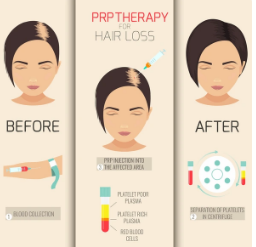
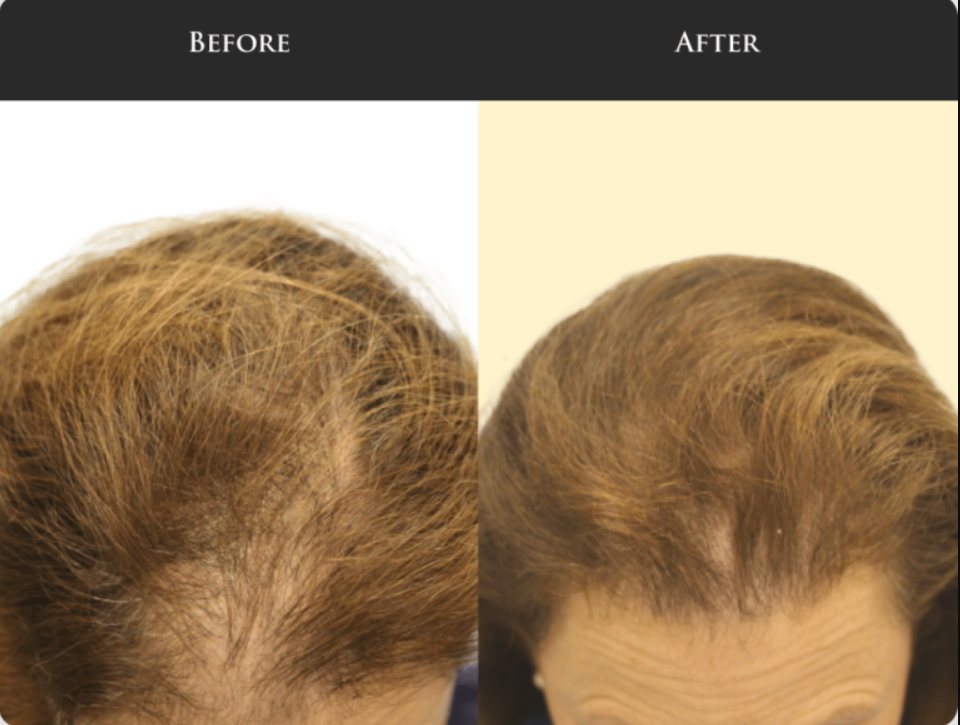
Growth factor therapy, often referred to as PRP, is used to support hair follicles by improving the scalp environment and encouraging healthier growth cycles. While results vary between individuals, many people choose this approach as a non-surgical option aimed at supporting existing hair and slowing ongoing thinning.
Rather than creating new follicles, growth factor therapy is designed to strengthen follicles that are still active. This is why outcomes are usually most noticeable in individuals experiencing early or moderate hair thinning rather than advanced hair loss.
What Growth Factor Therapy Is Designed to Do
Growth factor therapy is intended to support the environment around hair follicles as a non-surgical hair loss treatment designed to encourage healthier growth cycles. The goal is not instant regrowth, but rather encouraging healthier follicle behaviour over time.
In practical terms, this approach aims to reduce excessive shedding, improve hair quality and support thicker-looking growth where follicles are still viable. For this reason, it is often considered a supportive strategy rather than a standalone solution.
When Growth Factor Therapy May Be Most Useful
Growth factor therapy is usually considered when follicles are still active and capable of responding to stimulation. It tends to be most helpful in situations where the goal is to support existing hair rather than restore areas that are already fully bald.
- Early-stage thinning or gradual density loss
- Diffuse shedding across the scalp
- Individuals looking for non-surgical support
- Combination approaches alongside other hair loss management strategies
When It May Not Be the Right Approach
While growth factor therapy can be helpful in some cases, it is not suitable for every type of hair loss. Understanding limitations helps prevent unrealistic expectations and supports better treatment planning.
- Advanced baldness, where follicles are no longer active
- Areas with long-standing hair loss and minimal regrowth potential
- Untreated medical or hormonal causes of shedding
- Expectations of rapid or dramatic regrowth
How Growth Factor Therapy Fits Into a Long-Term Hair Plan
Hair loss is rarely a single-event issue, which is why treatment planning often focuses on long-term management rather than short-term change. Growth factor therapy is typically viewed as a supportive strategy that helps maintain follicle health and stabilise ongoing thinning over time.
In many cases, it forms part of a broader approach that may include monitoring hair loss progression, supporting scalp health and adjusting treatment strategies as needs change. Thinking about hair restoration as a long-term plan rather than a one-off solution helps set more realistic expectations and often leads to better overall outcomes.
What Results Can You Realistically Expect?
Results from growth factor therapy are typically gradual rather than immediate. Many individuals first notice reduced shedding or improved hair quality before seeing visible changes in density or thickness. As hair grows in cycles, meaningful changes usually develop over several months rather than weeks.
The aim is often to stabilise hair loss and support healthier growth rather than achieve a dramatic transformation. Maintenance sessions may be recommended to help sustain results over time, and outcomes vary depending on factors such as hair loss stage, scalp health and overall treatment planning.
Common Myths About PRP Hair Restoration
Myth 1: PRP regrows hair everywhere
Growth factor therapy does not create new follicles in areas where they are no longer active. Instead, it works by supporting follicles that still have growth potential, which is why timing and early intervention often influence outcomes.
Myth 2: Results happen quickly
Hair growth follows a slow biological cycle, so visible improvement takes time. Even when treatment is working well, most individuals notice gradual changes rather than immediate regrowth.
Myth 3: PRP replaces other treatments
Growth factor therapy is often used alongside other hair loss strategies rather than as a replacement. Combining approaches may provide more balanced long-term support depending on individual needs.
Final Thoughts
So, does PRP work for hair loss? Growth factor therapy may support hair quality and reduce shedding in suitable individuals, particularly when follicles remain active, and treatment expectations are realistic. It is best viewed as a supportive option rather than a guaranteed solution.
Understanding where growth factor therapy fits within overall hair loss management helps individuals make more informed decisions. If you are concerned about ongoing thinning, a professional assessment can help determine whether this approach is appropriate for your situation.
How to Book a Consultation
Booking your consultation is simple.
- Call us on (03) 9070 5234
- Contact us via our website
- Email us at enquiries@atlantismedical.com.au
- Or visit us at Level 2, 148 Glenferrie Road, Malvern, Vic 3144
Opening Hours
Mon – Fri: 8:30am – 5:00pm
Sat – Sun: Closed
FAQs
Does PRP work for hair loss?
Growth factor therapy, often referred to as PRP, may help support hair quality and reduce shedding in suitable individuals. Results vary depending on hair loss stage, follicle activity and overall scalp health.
How long does it take to see results from growth factor therapy?
Hair growth occurs in cycles, so changes are usually gradual. Many individuals notice reduced shedding first, with visible improvements typically developing over several months.
Is PRP hair restoration permanent?
Growth factor therapy is generally considered a supportive treatment rather than a permanent solution. Maintenance sessions may be recommended to help sustain results over time.
Who is most suitable for growth factor therapy?
It is often most suitable for individuals with early-stage thinning or diffuse hair loss where follicles are still active. Advanced baldness may respond less effectively.
Can growth factor therapy be combined with other hair loss treatments?
Yes, it is often used alongside other hair loss management strategies as part of a broader long-term plan, depending on individual needs and professional assessment.
Any surgical or invasive procedure carries risks. Before proceeding, you should seek a second opinion from an appropriately qualified health practitioner.